

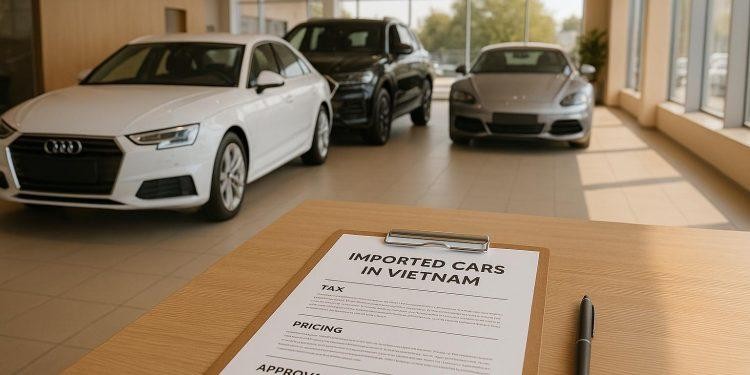
In this VietWheels blog, we discuss the procedure of importing automobiles into Vietnam is complicated and involves several taxes, fees, and legal restrictions. Here’s what you need to know:
The foundation of Vietnam's automobile taxation system is import duties. The origin of the vehicle, the year of manufacture, and any applicable trade agreements are some of the variables that affect the rates.
on example, regional trade accords result in lower duties on cars made in ASEAN nations. The EU-Vietnam Free Trade Agreement (EVFTA), which has progressively reduced import taxes since its inception, also benefits automobiles imported from the European Union.
However, vehicles from nations without favourable agreements, such as South Korea, Japan, or the United States, are subject to higher duty rates, which are determined by the CIF value.
The age of the car also matters. Older cars might be subject to extra taxes or even import limitations. In the meanwhile, incentives for hybrid and electric vehicles are frequently given to promote eco-friendly choices.
How to Successfully Importing Cars to Vietnam
Here are some useful pointers to guarantee a more seamless import procedure and prevent these headaches:
- Collaborate with certified customs brokers to expedite the clearing process and prevent errors in documents.
- Prepare for unforeseen expenses by allocating a contingency budget for unforeseen fees, storage costs, or currency fluctuations.
- Prepare documents early: Ensure all certificates are up-to-date, translated into Vietnamese by certified professionals, and properly notarized.
- Select dependable shipping and insurance: Make the correct choices to safeguard your investment while it's in transit.
- Examine automobiles prior to shipment to ensure they meet Vietnam's requirements and prevent unpleasant surprises.
- Remain up to date on regulations by monitoring government updates and routinely with customs brokers or business associations.
Vietnam’s Tax Structure When Importing Cars
Vietnam’s tax system for imported cars is a complex structure designed to serve two main purposes: protecting local manufacturing and generating government revenue.
The car's CIF (Cost, Insurance, and Freight) value is raised considerably by import duties, Value Added Tax (VAT), and Special Consumption Tax (SCT).
VAT is a flat 10%, applied to the total of the CIF value and import duties. However, the SCT varies significantly depending on the fuel type and engine size. SCT rates are lower for cars with smaller engines.
Larger engine vehicles or those using conventional fuels face higher SCT rates.
Because of environmental considerations, diesel automobiles may have even higher SCT.
These cascading taxes can greatly raise the total tax burden because the SCT is determined using the sum of the CIF value and import charges, and VAT is then applied.
Costs for Importing Cars to Vietnam
There is more to bringing an automobile into Vietnam than just paying taxes. The cost of the car, the cost of delivery, and several additional charges when the car is delivered must all be taken into consideration. These expenses add up to the total cost of importing a car.
The CIF (Cost, Insurance, and Freight) value serves as the foundation for figuring out import expenses. Your tax liability is determined by this amount.
The largest portion of the CIF value is the vehicle purchase price. This is the sum, typically in foreign currency, that you pay the seller overseas. Remember that changes in exchange rates may influence this expense, particularly if there is a lag between settling on a price and paying.
Be Aware of Exchange Rates and Market Timing
The overall cost may also vary depending on when you import your car. The State Bank of Vietnam's official currency rate on the day of the declaration is used by Vietnam Customs to determine the CIF value. The final tax liability may be greatly impacted by changes in the exchange rate between the Vietnamese đơng and foreign currencies.
It is crucial for importers to comprehend these tax regulations. It assists clients in selecting the best car, getting the required paperwork ready, and scheduling their importation to save money.
Compliance, Inspection & Registration Fees in Vietnam
You will be required to pay several costs for customs clearance, inspections, and registration once the vehicle arrives in Vietnam. You should account for this in your budget as they are non-negotiable.
The average range of customs clearance fees is between ₫3,000,000 and ₫8,000,000, contingent on the intricacy of the import procedure. Although you can manage your own customs paperwork, many consumers use brokers to make sure everything is done correctly and to prevent delays.
Documents & Certifications for Imported Car Sales in Vietnam
It's critical to have all the required papers in order before your car arrives in Vietnam. Significant delays may result from missing or insufficient papers.
Important documents consist of:
- An application for the vehicle's import
- A licence to import automobiles
- Your shipping company's bill of lading
- A customs declaration for export/import
- A statement of automobile registration
Personal identification documents, including a valid work permit, a valid passport, a visa that is valid for at least three months, and your household registration book, are also required. Any foreign documents must be authenticated and legalized in the country of origin before shipping.
One critical warning: modifications, such as engine swaps or changes to the Vehicle Identification Number (VIN), are prohibited and will delay customs clearance.
The next step is customs clearance and vehicle inspection when your documents are prepared.
Vietnam’s Car Inspections & Customs Clearance
Document verification and a physical inspection of the vehicle are the first steps in the customs clearance process when your car arrives at a Vietnamese port.
Submitting your documents for examination is the first step in the process. To make sure everything is in order, a customs officer will review your bill of lading, customs declaration, and automotive import licence.
The physical examination is thorough. Officers will confirm the VIN, make sure the car matches the paperwork, and make sure no illegal changes have been made. You must pay all relevant import duties after clearing the inspection.
These consist of:
- Import duty
- The Special Consumption Tax
- VAT stands for value-added tax.
To prevent delays, these duties must be paid on time. A Customs Release Certificate will be issued by customs following payment.
The car must be registered with the Vietnam Register or an approved testing facility for technical safety and environmental checks within ten days of customs clearance.
These tests guarantee that the car satisfies Vietnam's environmental and safety regulations. After passing, you will be given the Technical Safety and Environmental Protection Certificates, which you will need to present to Vietnam Customs to complete the import procedure.
Vietnam’s Environmental and Technical Standards
Before being allowed into Vietnam, all imported vehicles must undergo thorough technical safety and environmental inspections.
Importers receive a certificate attesting to the vehicle's adherence to technical safety and environmental protection standards after these examinations are satisfactorily finished.
To make sure that automobiles fulfil the necessary safety and pollution standards before entering the nation, these checks are essential.
Common Challenges When Importing Cars for Sale in Vietnam
It might be challenging to navigate the import process, particularly after navigating technical requirements and approval procedures. Importers often face challenges that cause delays and increased expenses.
The procedure can go more smoothly and be less stressful if you are aware of these obstacles and know how to overcome them.
In addition to the points made above, the points below are are some typical challenges importers encounter:
- Changes in regulations could make previously valid papers or obligations obsolete.
- Documentation errors: Missing certificates, outdated paperwork, or incorrect details can slow things down significantly.
- Customs delays: Prolonged clearance times and increased expenses might result from incomplete inspections or port backlogs.
- Technical compliance issues: Vehicles that don’t meet Vietnam’s safety or environmental standards may be rejected upon arrival.
- Unexpected fees, currency changes, and further inspections can soon mount up.
Conclusion
Navigating taxes, expenses, and stringent procedures is necessary when importing an automobile into Vietnam. The kind and origin of the car determine the rates for import tariffs, VAT, and additional consumption taxes.
Consider shipping, insurance, customs clearance, and registration fees in addition to taxes. Setting up extra money for unforeseen costs or currency changes is a smart idea.
Vietnam has strict laws governing the import of automobiles. Vehicles must be less than five years old, have been registered in their country of origin for at least six months, and have a minimum mileage of 10,000 km. Some automobiles are prohibited, such as cars with right-hand drive, cars that have been disassembled, or cars that have undergone significant modifications.
Documentation is critically important. The sales contract, customs declaration, and registration certificate are important paperwork. Customs procedures have been streamlined by Decree No. 60/2023/ND-CP, particularly for unused whole M1 group cars and EU or UK-made parts that meet ECE and EC norms.
You have three business days to file for car registration and obtain a Certificate of Technical Safety and Environmental Protection after paying customs charges. To finish the customs procedure and complete the importation, this certificate is necessary. Strict adherence to these regulations and careful planning guarantee that your imported vehicle satisfies Vietnamese legal requirements and is prepared for use on the road.
Xe oto cu – we hope you found this Vietwheels article about importing cars to Vietnam helpful. For the latest insights, news and trends about car sales in Vietnam, please visit our News and Articles page.