


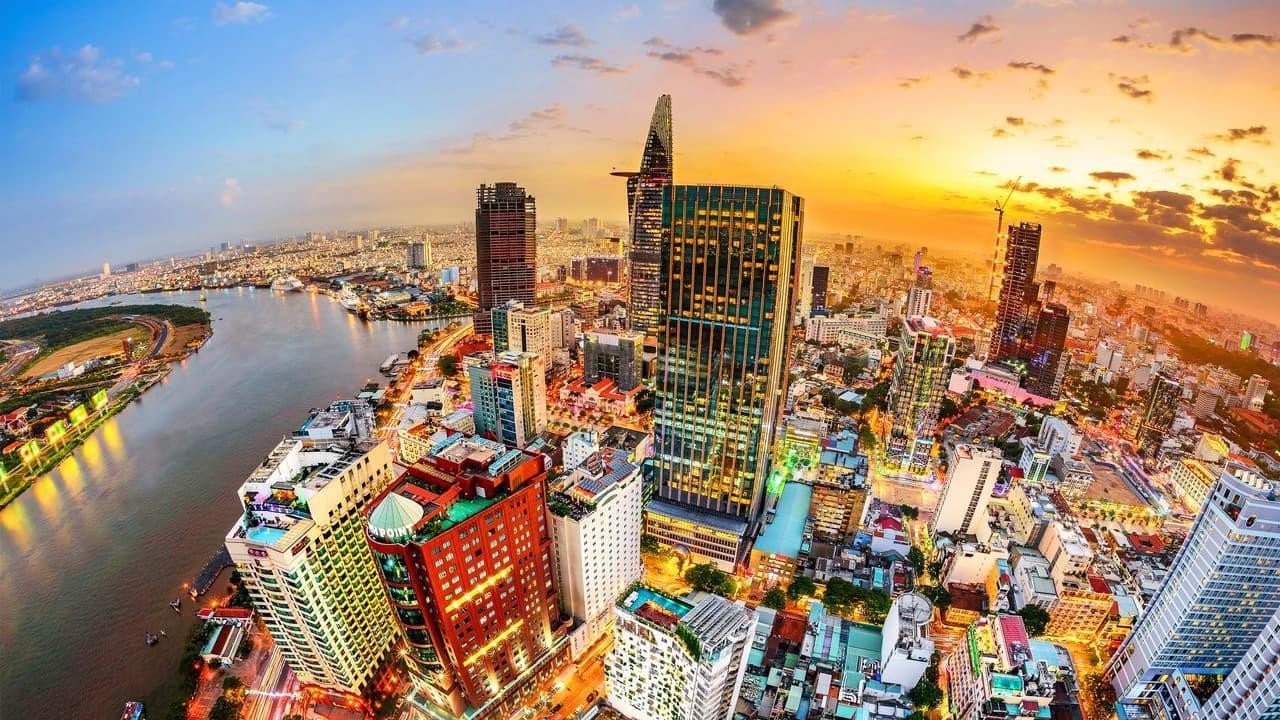
In this VietWheels article, we dive into the dynamic landscape of Vietnam's economy as we explore key trends and insights driving its remarkable growth in recent years.
Overview: Vietnam’s Economic Landscape
Vietnam, a Southeast Asian nation known for its rich cultural heritage and picturesque landscapes, has emerged as one of the most dynamic economies in the region. Over the past few decades, the country has transitioned from a primarily agrarian society to a burgeoning industrial powerhouse.
This transformation is evident in its impressive GDP growth rates, which consistently rank among the highest globally. With a population of over 96 million people, Vietnam's economy is driven by a mix of manufacturing, services, and agriculture, each sector contributing significantly to its GDP.
The backbone of Vietnam’s economic success lies in its strategic location, abundant natural resources, and a young, educated, and increasingly urbanized workforce. The nation’s geographical position in the heart of Southeast Asia makes it a critical hub for trade, connecting it with major economies such as China, Japan, and South Korea.
This advantageous positioning has facilitated the growth of its manufacturing sector, which has become a cornerstone of its economic framework. The agricultural sector, while not as dominant as it once was, still plays a crucial role, particularly in rural employment and export revenues.
Moreover, Vietnam has made strides in improving its business climate, attracting foreign investments, and fostering innovation. The government’s commitment to economic reforms and openness to global trade has propelled the country onto the global stage.
This multifaceted growth story is not only a testament to Vietnam's resilience and adaptability but also a beacon for other developing nations striving for economic prosperity. In this article, we delve deeper into the historical context, key drivers, and prospects of Vietnam’s economic growth, providing a comprehensive understanding of its success story.
Historical Context: Vietnam's Economic Development
Vietnam’s journey towards economic prosperity is rooted in its complex history, marked by periods of colonization, war, and reunification. After decades of struggle, the country embarked on a path of economic transformation in the late 20th century.
The turning point came in 1986 with the launch of the “Đổi Mới” (Renovation) policies, a series of economic and political reforms aimed at transitioning from a centrally planned economy to a socialist-oriented market economy. These reforms were instrumental in liberalizing trade, encouraging private enterprise, and attracting foreign investments.
The initial years following Đổi Mới saw rapid changes in Vietnam’s economic landscape. The government introduced measures to reduce state control over enterprises, allowing for greater private sector participation. This shift was coupled with significant investments in infrastructure, education, and healthcare, laying the groundwork for sustainable growth.
The agricultural sector, which had been the mainstay of the economy, underwent modernization, leading to increased productivity and diversification of exports. By the 1990s, Vietnam had successfully integrated into the global economy, becoming a member of the Association of Southeast Asian Nations (ASEAN) and later the World Trade Organization (WTO).
The post-Đổi Mới era witnessed an economic boom, with Vietnam experiencing double-digit growth rates and significant improvements in living standards. The country’s focus on export-led growth, particularly in manufacturing and electronics, positioned it as a key player in global supply chains. This period also saw a surge in foreign direct investment (FDI), as multinational corporations sought to capitalize on Vietnam’s competitive labour costs and strategic location.
Despite facing challenges such as the Asian financial crisis and domestic economic disparities, Vietnam’s commitment to reforms and integration into the global economy has continued to drive its remarkable growth trajectory.
Key Drivers of Economic Growth in Vietnam
Vietnam’s economic growth can be attributed to several key drivers that have collectively propelled the nation forward. One of the most significant factors is its strategic integration into the global economy. By embracing free trade agreements (FTAs) and becoming a member of international organizations, Vietnam has enhanced its access to global markets.
The country’s participation in agreements such as the Comprehensive and Progressive Agreement for Trans-Pacific Partnership (CPTPP) and the European Union-Vietnam Free Trade Agreement (EVFTA) has opened new avenues for trade and investment, boosting its export-driven economy.
Another critical driver is the robust growth of the manufacturing sector. Vietnam has successfully positioned itself as a manufacturing hub, attracting major corporations from around the world. The availability of a young, skilled, and cost-competitive workforce has been a significant draw for companies looking to establish production bases.
The manufacturing sector, particularly in electronics, textiles, and footwear, has seen exponential growth, contributing significantly to GDP and employment. This industrial expansion has been supported by substantial infrastructure development, including the construction of industrial zones, ports, and transportation networks.
Additionally, the Vietnamese government’s proactive approach to economic reforms and business-friendly policies has played a crucial role in driving growth. The government has prioritized creating a conducive environment for business, implementing measures to streamline regulations, reduce bureaucracy, and enhance transparency.
These reforms have not only improved the ease of doing business but also fostered innovation and entrepreneurship. Moreover, investments in education and vocational training have equipped the workforce with the necessary skills to meet the demands of a rapidly evolving economy. Collectively, these factors have created a virtuous cycle of growth, attracted further investments and driven sustainable economic development.
Impact of Foreign Direct Investment (FDI)
Foreign direct investment (FDI) has been a cornerstone of Vietnam’s economic growth, playing a pivotal role in its industrialization and modernization. Over the past few decades, Vietnam has emerged as a preferred destination for multinational corporations seeking to diversify their production bases and tap into the dynamic Southeast Asian market. The country’s stable political environment, competitive labour costs, and strategic location have made it an attractive investment hub. As a result, FDI inflows have surged, contributing significantly to economic growth, job creation, and technological advancement.
The manufacturing sector has been the primary beneficiary of FDI, with substantial investments pouring into industries such as electronics, textiles, and automotive. Major global brands, including Samsung, Intel, and Toyota, have established production facilities in Vietnam, leveraging its skilled workforce and favourable business conditions.
These investments have not only boosted industrial output but also facilitated technology transfer, enhancing the capabilities of local enterprises. The presence of multinational corporations has spurred the development of supporting industries, creating a robust supply chain ecosystem that further strengthens the economy.
In addition to manufacturing, FDI has also positively impacted other sectors such as real estate, finance, and retail. The influx of foreign capital has driven urban development, leading to the construction of modern infrastructure, commercial centres, and residential complexes. The financial sector has benefited from the entry of international banks and financial institutions, which have introduced innovative products and services, fostering greater financial inclusion.
Moreover, the retail sector has witnessed significant growth, with the entry of global retail giants transforming the consumer landscape. Overall, FDI has been instrumental in transforming Vietnam’s economic structure, driving growth, and enhancing its global competitiveness.
Role of Technology & Innovation in Vietnam
Technology and innovation have emerged as key pillars of Vietnam’s economic growth, driving productivity, competitiveness, and sustainable development. The Vietnamese government has recognized the transformative potential of technology and has prioritized the development of a digital economy.
Investments in information and communication technology (ICT) infrastructure, coupled with supportive policies, have created a conducive environment for technological advancement. As a result, Vietnam has seen rapid growth in its tech industry, with a burgeoning startup ecosystem and increasing adoption of digital solutions across various sectors.
One of the most notable areas of technological advancement is the rise of the information technology (IT) and software outsourcing industry. Vietnam has positioned itself as a leading destination for IT services, attracting clients from around the world.
The country’s highly skilled and cost-effective workforce, coupled with proficiency in English and technical expertise, has made it a preferred outsourcing hub. Vietnamese tech companies are increasingly delivering high-quality software development, IT consulting, and digital transformation services, contributing to the growth of the knowledge economy.
This sector not only generates significant revenue but also creates high-value jobs, fostering economic diversification. Innovation is also driving growth in traditional industries such as agriculture and manufacturing. The adoption of smart farming techniques, precision agriculture, and automation has enhanced productivity and efficiency in the agricultural sector.
Similarly, the manufacturing industry is embracing Industry 4.0 technologies, including robotics, artificial intelligence, and the Internet of Things (IoT), to optimize production processes and improve product quality.
The government’s support for research and development (R&D) and collaboration with international partners is further fuelling innovation. By embracing technology and fostering a culture of innovation, Vietnam is well-positioned to sustain its economic growth and navigate the challenges of the modern global economy.
Vietnam’s Trade Relationships and Export Growth
Vietnam’s trade relationships have been instrumental in driving its economic growth, positioning the country as a key player in the global market. Over the years, Vietnam has strategically expanded its trade networks, entering into numerous free trade agreements (FTAs) that have facilitated access to new markets and diversified its export base.
The country’s commitment to open trade policies has boosted its export-driven economy, with exports accounting for a significant portion of its GDP. Key trading partners include major economies such as the United States, China, the European Union, Japan, and South Korea.
The diversification of export markets has been a critical strategy for Vietnam, reducing its reliance on any single market and enhancing its resilience to external shocks. The signing of the Comprehensive and Progressive Agreement for Trans-Pacific Partnership (CPTPP) and the European Union-Vietnam Free Trade Agreement (EVFTA) are landmark achievements that have opened vast opportunities for Vietnamese exporters.
These agreements have not only lowered tariff barriers but also enhanced the competitiveness of Vietnamese products in global markets. As a result, Vietnam has seen robust growth in exports across various sectors, including electronics, textiles, footwear, and agricultural products.
The electronics industry has become a powerhouse of Vietnam’s export growth. The country has emerged as a major manufacturing hub for electronic goods, with exports of smartphones, computers, and electronic components witnessing exponential growth. Major global tech companies have established production facilities in Vietnam, leveraging its skilled workforce and favourable business environment. The textile and garment industry is another significant contributor to export growth, with Vietnam being one of the world’s largest exporters of apparel. The agricultural sector, known for products such as rice, coffee, and seafood, continues to play a vital role in the export economy. Together, these sectors have propelled Vietnam’s export growth, driving economic development and enhancing its global trade standing.
Challenges Facing Vietnam’s Economy
Despite its impressive economic growth, Vietnam faces several challenges that could impact its long-term sustainability and development. One of the most pressing issues is the need for continued infrastructure development.
While the country has made significant strides in building modern infrastructure, rapid urbanization and industrialization have put immense pressure on existing facilities. There is a growing need for investments in transportation, energy, and water management systems to support economic activities and improve the quality of life for its citizens. Addressing infrastructure gaps is critical to maintaining Vietnam’s competitiveness and ensuring balanced regional development.
Environmental sustainability is another major challenge confronting Vietnam. The country’s rapid industrial growth has come at a cost to the environment, with issues such as air and water pollution, deforestation, and climate change posing significant risks.
Vietnam is particularly vulnerable to the impacts of climate change, including rising sea levels, extreme weather events, and agricultural disruptions. These environmental challenges not only threaten public health and livelihoods but also have broader economic implications. The government’s commitment to sustainable development and green growth is crucial in mitigating these risks and ensuring long-term environmental stewardship.
Social and economic inequalities also pose challenges to Vietnam’s development. While the country has made remarkable progress in poverty reduction and improving living standards, disparities persist between urban and rural areas and among different population groups. Addressing these inequalities requires targeted policies to promote inclusive growth, enhance social protection, and ensure equal access to education, healthcare, and economic opportunities.
Additionally, the need for continued regulatory and institutional reforms remains critical. Reducing bureaucratic red tape, combating corruption, and ensuring the rule of law are essential for fostering a transparent and efficient business environment. By addressing these challenges, Vietnam can build a more resilient, equitable, and sustainable economy.
Government Policies and Economic Reforms
The Vietnamese government’s proactive approach to economic policies and reforms has been a driving force behind the country’s impressive growth and development. Since the launch of the Đổi Mới reforms in 1986, the government has consistently prioritized economic liberalization, market-oriented reforms, and global integration.
These policies have created a favourable environment for business, attracted foreign investment, and spurred economic diversification. The government’s commitment to maintaining macroeconomic stability has also played a crucial role in fostering investor confidence and sustaining growth.
One of the key areas of focus for the government has been improving the ease of doing business. Efforts to streamline administrative procedures, reduce regulatory burdens, and enhance transparency have significantly improved Vietnam’s business environment. Initiatives such as the simplification of business registration processes, tax reforms, and the implementation of electronic government services have made it easier for enterprises to operate and thrive.
The government has also introduced incentives and support measures for small and medium-sized enterprises (SMEs), recognizing their vital role in the economy. These reforms have fostered entrepreneurship, innovation, and competitiveness, contributing to economic growth.
In addition to business-friendly policies, the government has emphasized the importance of human capital development. Investments in education, vocational training, and healthcare have been prioritized to equip the workforce with the skills needed for a modern economy.
The government’s focus on science, technology, engineering, and mathematics (STEM) education has supported the growth of the knowledge economy and the tech sector. Furthermore, Vietnam’s commitment to international trade and investment agreements has strengthened its economic integration and opened new opportunities for growth. The government’s strategic vision and policy initiatives have been instrumental in driving Vietnam’s economic transformation and positioning it for future success.
Future Projections for Vietnam’s Economy
The future of Vietnam’s economy holds significant promise, with projections indicating continued robust growth and development. The country’s strategic vision, coupled with its proactive policies and reforms, positions it well to navigate the challenges of the global economy and capitalize on emerging opportunities.
Economic forecasts suggest that Vietnam will maintain strong GDP growth rates, driven by a combination of domestic consumption, export expansion, and foreign investment. The government’s commitment to modernization, innovation, and sustainability will be key to achieving these growth targets.
One of the critical factors shaping Vietnam’s future economic trajectory is the continued expansion of the manufacturing and technology sectors.
The country’s position as a manufacturing hub is expected to be bolstered by ongoing investments in industrial infrastructure, technology adoption, and workforce development. The rise of Industry 4.0 technologies, including automation, artificial intelligence, and the Internet of Things (IoT), will drive productivity and competitiveness in manufacturing.
Additionally, the growth of the tech industry, particularly in software development, digital services, and fintech, will contribute to the diversification and modernization of the economy. Vietnam’s vibrant startup ecosystem and innovation culture will play a crucial role in driving technological advancement and economic growth.
Another significant area of potential lies in the development of the green economy and sustainable practices. The government’s focus on environmental sustainability, renewable energy, and green growth initiatives will be vital in addressing climate change challenges and ensuring long-term economic resilience.
Investments in renewable energy sources, such as solar and wind power, will reduce dependence on fossil fuels and enhance energy security. Moreover, sustainable agricultural practices, eco-friendly manufacturing, and circular economy models will contribute to environmental preservation and economic sustainability. By embracing sustainability, Vietnam can build a resilient and inclusive economy that supports long-term growth and development.
Conclusion: The Path Forward for Vietnam’s Economic Growth
Vietnam’s remarkable economic growth story is a testament to the country’s resilience, strategic vision, and commitment to reform. From its humble beginnings as an agrarian society to its emergence as a dynamic industrial economy, Vietnam has made significant strides in transforming its economic landscape.
The key drivers of growth, including strategic global integration, robust manufacturing, technological innovation, and proactive government policies, have collectively propelled the nation forward. Despite facing challenges, Vietnam’s continued focus on infrastructure development, environmental sustainability, and inclusive growth will be crucial in sustaining its economic momentum.
The path forward for Vietnam’s economic growth is paved with opportunities and potential. By leveraging its strategic location, young and skilled workforce, and commitment to innovation, Vietnam can capitalize on emerging trends and navigate global economic shifts.
The government’s strategic vision, coupled with targeted policies and reforms, will be instrumental in driving future growth and ensuring long-term prosperity. Embracing sustainable practices, fostering technological advancement, and addressing social and economic inequalities will be key to building a resilient and inclusive economy.
As Vietnam continues its journey towards economic development, the nation’s resilience and adaptability will be its greatest strengths. By building on its achievements, addressing challenges, and seizing opportunities, Vietnam can secure a prosperous future for its citizens and solidify its position as a leading economy in the region. The dynamic landscape of
Vietnam’s economy is a story of progress, innovation, and potential, offering valuable insights and lessons for other developing nations. The path forward may be filled with challenges, but with determination and strategic vision, Vietnam is well-positioned to achieve sustained and inclusive economic growth.
We hope you found this VietWheels article insightful in relation to the key drivers of economic growth in Vietnam.