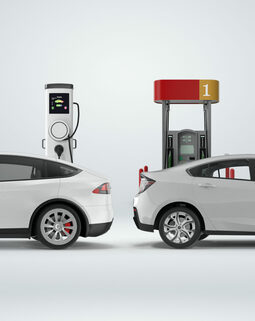



Vietnam's auto industry is on the brink of a revolution, with cutting-edge technologies and innovative designs reshaping the roads. In this article by Vietwheels, learn about the revolutionary car innovations transforming Vietnam's auto industry.
Overview of Vietnam's Auto Industry
Vietnam's automotive industry has experienced significant growth over the past decade. Once a market dominated by motorcycles, the country has seen a surge in demand for cars, driven by rising incomes and an expanding middle class. This evolution is not just about quantity but also about quality and innovation. The landscape is rapidly changing, influenced by global trends and local dynamics that make Vietnam a unique case study in automotive transformation.
Historically, the Vietnamese auto market has been characterized by a preference for affordable, compact cars suited for the country's busy and narrow streets. However, recent years have seen a diversification in consumer preferences, with a growing interest in SUVs, electric vehicles, and luxury cars. This shift is driven by a combination of factors, including increased urbanization, improved infrastructure, and a desire for more comfortable and technologically advanced vehicles.
The government's ambitious plans to bolster domestic production have also played a crucial role in this transformation. Initiatives to attract foreign investments, coupled with policies aimed at nurturing local manufacturers, are steadily making Vietnam a significant player in the global automotive arena. The result is a dynamic industry that is not only expanding but also innovating at an unprecedented pace.
Key Innovations Shaping the Future of Cars in Vietnam
One of the most exciting developments in Vietnam's auto industry is the integration of advanced technologies into vehicles. Innovations such as autonomous driving, connected car ecosystems, and smart infrastructure are beginning to take root. These technologies promise to enhance safety, efficiency, and the overall driving experience for Vietnamese consumers.
Autonomous driving technology is still in its nascent stages in Vietnam, but several companies are making strides in this area. Local startups and international firms are experimenting with various levels of automation, from basic driver assistance systems to fully autonomous vehicles. These advancements are supported by improvements in artificial intelligence and machine learning, enabling cars to navigate complex traffic conditions and make real-time decisions.
The concept of connected cars is also gaining traction. These vehicles are equipped with internet connectivity and a range of sensors that allow them to communicate with each other and with infrastructure. This connectivity enhances traffic management, reduces congestion, and improves safety by enabling real-time data exchange. Additionally, it opens up new possibilities for in-car entertainment, navigation, and personalized services.
The Rise of Electric Vehicles in Vietnam
Electric vehicles (EVs) are at the forefront of the automotive revolution in Vietnam. As concerns about environmental sustainability and energy efficiency grow, EVs offer a viable solution to reduce carbon emissions and dependence on fossil fuels. The Vietnamese government has recognized this potential and is actively promoting the adoption of electric vehicles through various incentives and initiatives.
Several local and international companies are investing heavily in EV technology. VinFast, a subsidiary of the Vingroup conglomerate, is leading the charge with its ambitious plans to produce a range of electric cars and scooters. The company's state-of-the-art manufacturing facility in Hai Phong is a testament to Vietnam's commitment to becoming a hub for electric vehicle production. Other players, including foreign automakers, are also entering the market, further accelerating the shift towards electric mobility.
To support the growth of electric vehicles, Vietnam is investing in the necessary infrastructure, such as charging stations and battery recycling facilities. These efforts are crucial to address one of the main barriers to EV adoption: range anxiety. By ensuring that charging points are readily available and that batteries can be efficiently recycled, Vietnam is laying the groundwork for a sustainable and scalable EV ecosystem.
Impact of Technology on Car Manufacturing
The impact of technology on car manufacturing in Vietnam cannot be overstated. Advances in automation, robotics, and digitalization are transforming traditional production processes, making them more efficient, cost-effective, and scalable. This industrial evolution is essential for Vietnam to compete on a global scale and meet the growing demand for high-quality vehicles.
Robotics and automation are streamlining various aspects of car manufacturing, from assembly lines to quality control. Automated systems can perform repetitive tasks with greater precision and consistency than human workers, reducing errors and increasing productivity. This shift not only lowers production costs but also enhances the overall quality of the vehicles produced.
Digitalization is another key trend reshaping car manufacturing in Vietnam. Technologies such as the Internet of Things (IoT), big data analytics, and cloud computing are being integrated into manufacturing processes to optimize operations and improve decision-making. For instance, IoT sensors can monitor equipment performance in real-time, enabling predictive maintenance and minimizing downtime. Big data analytics can analyze vast amounts of information to identify patterns and trends, helping manufacturers make informed decisions about production schedules, inventory management, and supply chain optimization.
Government Policies Supporting Automotive Innovations
The Vietnamese government plays a pivotal role in fostering innovation within the automotive sector. Recognizing the industry's potential to drive economic growth and technological advancement, the government has implemented a range of policies and initiatives aimed at supporting automotive innovations.
One of the key strategies is the provision of financial incentives for research and development (R&D). By offering tax breaks and grants to companies that invest in R&D, the government is encouraging both local and foreign firms to develop new technologies and products. This support is crucial for driving innovation and ensuring that Vietnam remains competitive in the global automotive market.
Additionally, the government is investing in infrastructure projects to support the growth of the automotive industry. These projects include the development of industrial parks, research centres, and testing facilities equipped with state-of-the-art technology. By creating an environment conducive to innovation, the government is not only attracting foreign investments but also nurturing homegrown talent and expertise.
The Role of Startups in Vietnam's Auto Innovation Landscape
Startups are playing a significant role in driving innovation within Vietnam's automotive industry. These agile and dynamic companies are at the forefront of developing cutting-edge technologies and solutions that address the unique challenges and opportunities in the Vietnamese market.
One of the key areas where startups are making an impact is in electric vehicle technology. Companies like VinFast are leading the charge, but numerous smaller startups are also contributing to this burgeoning sector. These startups are developing innovative solutions for battery technology, charging infrastructure, and vehicle design, helping to accelerate the adoption of electric vehicles in Vietnam.
In addition to electric vehicles, startups are also pioneering advancements in connected car technology, autonomous driving, and mobility services. By leveraging their agility and innovative mindset, these companies can experiment with new ideas, rapidly iterate on their designs, and bring novel products to market. This entrepreneurial spirit is vital for driving the next wave of innovation in Vietnam's automotive industry.
Consumer Preferences and Shifts in the Automotive Market
Consumer preferences in Vietnam's automotive market are evolving rapidly. With rising incomes and a growing middle class, Vietnamese consumers are becoming more discerning and demanding in their vehicle choices. This shift is driving changes in the types of cars that are popular in the market and influencing manufacturers to adapt their offerings accordingly.
One notable trend is the increasing demand for SUVs and crossover vehicles. These models offer a blend of comfort, versatility, and style that appeals to a wide range of consumers. As urbanization continues and road infrastructure improves, more Vietnamese drivers are opting for larger vehicles that can handle diverse driving conditions and provide ample space for families and cargo.
Another significant shift is the growing interest in electric and hybrid vehicles. Environmental concerns and the desire for more sustainable transportation options are prompting consumers to consider alternatives to traditional gasoline-powered cars. This trend is further supported by government incentives and the expanding availability of charging infrastructure, making electric and hybrid vehicles more accessible and appealing to Vietnamese buyers.
Challenges Facing the Adoption of New Car Technologies
Despite the promising advancements and growing interest in new car technologies, several challenges remain in the adoption of these innovations in Vietnam. Addressing these obstacles is crucial for ensuring the continued growth and success of the automotive industry.
One of the primary challenges is the high cost of new technologies. Electric vehicles, autonomous driving systems, and connected car features often come with a premium price tag, making them less accessible to the average consumer. To overcome this barrier, manufacturers and policymakers need to work together to find ways to reduce costs and make these technologies more affordable.
Another significant challenge is the lack of infrastructure to support new car technologies. While progress is being made in developing charging stations for electric vehicles, more needs to be done to create a comprehensive and reliable network. Additionally, the implementation of smart infrastructure for connected cars and autonomous vehicles requires substantial investments in technology and urban planning.
Case Studies of Successful Innovative Car Models in Vietnam
Several innovative car models have made a significant impact in the Vietnamese market, showcasing the potential for cutting-edge technology and design to capture consumer interest and drive industry growth.
One notable example is the VinFast VF e34, an electric SUV that has garnered widespread attention for its combination of advanced features, stylish design, and competitive pricing. The VF e34 is equipped with a range of smart technologies, including an advanced driver assistance system (ADAS), a connected infotainment system, and over-the-air software updates. This model represents a significant step forward in making electric vehicles accessible and appealing to Vietnamese consumers.
Another successful example is the Toyota Corolla Cross, a hybrid crossover that has become popular in Vietnam for its fuel efficiency and eco-friendly credentials. The Corolla Cross combines a gasoline engine with an electric motor, offering a balanced blend of performance and sustainability. Its popularity highlights the growing interest in hybrid vehicles as a practical and environmentally conscious choice.
The Hyundai Kona Electric is also worth mentioning as a successful model in Vietnam's market. This compact electric SUV offers a long driving range, modern design, and a suite of advanced safety features. The Kona Electric has been well-received by Vietnamese consumers, demonstrating the increasing acceptance and demand for electric vehicles in the country.
Future Trends and Predictions for Vietnam's Auto Industry
Looking ahead, several trends and predictions suggest that Vietnam's automotive industry will continue to evolve and innovate in exciting ways. These trends are driven by a combination of technological advancements, changing consumer preferences, and supportive government policies.
One of the most significant trends is the continued growth of electric vehicles. As battery technology improves and costs decrease, electric vehicles are expected to become more mainstream in Vietnam. This shift will be supported by the expansion of charging infrastructure and increased government incentives, making electric vehicles a viable and attractive option for a broader range of consumers.
Another important trend is the rise of autonomous and connected car technologies. While fully autonomous vehicles may still be a few years away from widespread adoption, incremental advancements in driver assistance systems and vehicle connectivity will continue to enhance the driving experience. These technologies will improve safety, efficiency, and convenience, making them increasingly popular among Vietnamese consumers.
Finally, the role of startups and innovative companies will remain crucial in shaping the future of Vietnam's auto industry. These agile and forward-thinking firms will continue to push the boundaries of what is possible, developing new technologies and solutions that address the unique challenges and opportunities in the Vietnamese market. Through collaboration with established manufacturers and support from the government, these startups will play a key role in driving the next wave of automotive innovation.
On behalf of the VietWheels team, we hope you enjoyed this article about Vietnam's Auto Industry. For the latest news, trends and insights about car sales in Vietnam, please visit our News and Articles page.