

Deciding between auto and manual cars in Vietnam? In this car post by Vietwheels, we delve into the key differences and find out which option suits your driving style and lifestyle best!
Overview of the Vietnamese Car Market
In recent years, Vietnam's car market has experienced rapid growth, transforming from a market dominated by motorbikes to one where cars are becoming increasingly popular. This shift is driven by rising incomes, urbanization, and a growing middle class eager to embrace the convenience and status that car ownership brings. The Vietnamese government has also played a pivotal role in this transformation by developing infrastructure and offering incentives for car manufacturing and ownership.
The Vietnamese car market is diverse, offering a range of vehicles from compact city cars to luxury SUVs. Brands like Toyota, Hyundai, and Ford have established strong footholds, while local manufacturers like VinFast are gaining traction. The market's diversity extends to transmission options as well, with both automatic (auto) and manual transmissions available across different car models and price ranges.
Understanding the dynamics of the Vietnamese car market is crucial for prospective buyers. The decision between an auto and a manual car is not merely a matter of personal preference but also involves considerations of traffic conditions, fuel efficiency, maintenance costs, and overall driving experience. By examining these factors, you can make a more informed decision that aligns with your lifestyle and driving needs.
Understanding Auto and Manual Transmissions
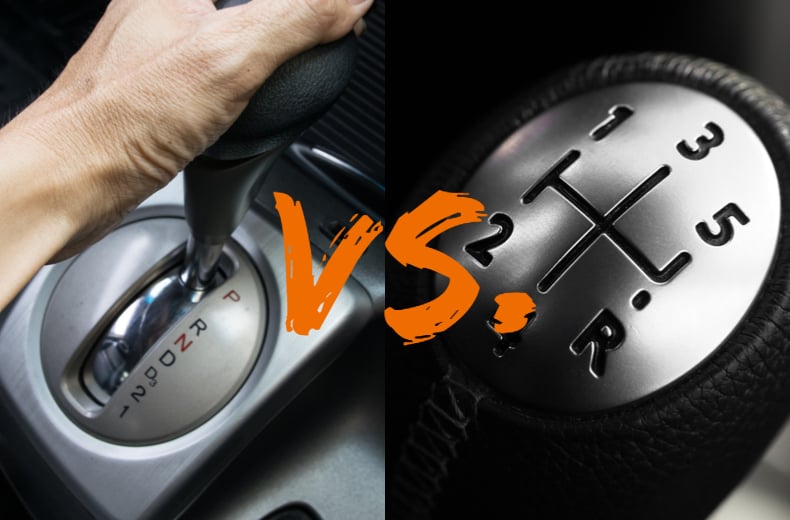
Automatic transmissions, commonly referred to as "auto," are designed to simplify the driving experience by automatically selecting the appropriate gear based on the vehicle's speed and engine load. This type of transmission uses a complex system of hydraulics, sensors, and computers to manage gear shifts, making it especially convenient in stop-and-go traffic conditions. Auto cars are generally easier to drive, requiring less effort and skill compared to their manual counterparts.
Manual transmissions, on the other hand, require the driver to manually shift gears using a clutch pedal and gear stick. This type of transmission offers a more engaging driving experience, giving the driver greater control over the vehicle's performance. Manual cars are often preferred by driving enthusiasts who enjoy the tactile feedback and precision of gear changes. However, they can be more challenging to operate, particularly in heavy traffic or hilly terrain.
Both transmission types have their unique advantages and disadvantages. Understanding these differences is essential for making an informed decision. Factors such as driving conditions, personal preferences, and even resale value can significantly influence your choice between an auto and a manual car.
Pros and Cons of Auto Cars
One of the main advantages of auto cars is their ease of use. Automatic transmissions eliminate the need for clutch control and manual gear changes, making driving less physically demanding. This is particularly beneficial in urban areas like Hanoi or Ho Chi Minh City, where traffic congestion is a daily reality. The convenience of an automatic transmission can reduce driver fatigue and make the overall driving experience more pleasant.
Another significant benefit of auto cars is their accessibility. For new or inexperienced drivers, automatic transmissions can be less intimidating and easier to learn. This can be a crucial factor for families with multiple drivers or for individuals who prioritize convenience over performance. Additionally, auto cars often come with advanced safety features and driving aids, which can further enhance the driving experience.
However, auto cars are not without their drawbacks. They tend to be more expensive than manual cars, both in terms of initial purchase price and maintenance costs. The complexity of automatic transmissions means that repairs can be more costly and time-consuming. Moreover, auto cars may offer less fuel efficiency compared to manual cars, especially in older models. This can result in higher long-term operating costs, particularly for those who drive frequently.
Pros and Cons of Manual Cars
Manual cars offer a level of control and engagement that automatic transmissions simply cannot match. For drivers who enjoy the act of driving, the tactile feedback and precision of a manual gearbox provide a more connected and satisfying experience. Manual transmissions allow for more direct control over engine performance, which can be particularly advantageous in situations requiring quick acceleration or precise manoeuvring.
Another significant advantage of manual cars is their fuel efficiency. Manual transmissions generally allow for better fuel economy compared to their automatic counterparts. This is because manual gearboxes are typically lighter and less complex, resulting in less energy loss during gear shifts. For budget-conscious drivers or those who prioritize environmental considerations, the improved fuel efficiency of manual cars can be a compelling factor.
On the downside, manual cars require more skill and effort to operate. The need for constant gear changes and clutch control can be tiring, especially in heavy traffic or on long journeys. For some drivers, the learning curve associated with manual transmissions can be a deterrent. Additionally, manual cars may not come with as many advanced safety features or driving aids as automatic cars, which can be a consideration for families or less experienced drivers.
Fuel Efficiency: Auto vs Manual
Fuel efficiency is a critical consideration for many car buyers, particularly in a country like Vietnam, where fuel prices can be relatively high. Generally, manual cars are known for their superior fuel efficiency. The direct control over gear changes allows drivers to optimize engine performance and reduce fuel consumption. Manual transmissions are also lighter and less complex, which further contributes to their fuel efficiency.
However, advancements in automatic transmission technology have significantly narrowed the gap in fuel efficiency between auto and manual cars. Modern automatic transmissions, including continuously variable transmissions (CVTs) and dual-clutch transmissions (DCTs), are designed to optimize fuel economy. These systems can adjust gear ratios more precisely and efficiently than older automatic transmissions, resulting in improved fuel efficiency that rivals many manual cars.
It's also worth noting that driving habits play a crucial role in fuel efficiency. Aggressive driving, frequent acceleration, and heavy use of the accelerator can negatively impact fuel consumption, regardless of the transmission type. Therefore, adopting a more fuel-efficient driving style can help maximize the benefits of either transmission, making it essential for drivers to consider their driving habits alongside the inherent fuel efficiency of their chosen transmission.
Driving Experience: Comfort and Control
The driving experience is a subjective factor that varies from person to person, but it can significantly influence the choice between an auto and a manual car. Automatic transmissions offer a more comfortable and relaxed driving experience, particularly in urban environments. The lack of a clutch pedal and the ease of gear changes allow drivers to focus more on the road and less on the mechanics of driving. This can be especially beneficial during long commutes or in congested traffic, where frequent stopping and starting are common.
On the other hand, manual transmissions provide a heightened sense of control and engagement. The tactile feedback from the clutch and the precision of manual gear changes create a more interactive driving experience. For enthusiasts who enjoy the mechanics of driving, a manual transmission can make every journey more enjoyable. This level of control can also be advantageous in challenging driving conditions, such as navigating steep hills or performing precise manoeuvres.
Ultimately, the choice between comfort and control depends on individual preferences and driving needs. If you prioritize convenience and ease of use, an automatic transmission may be the better option. However, if you value a more engaging and hands-on driving experience, a manual transmission could be the right choice. Understanding your own driving style and preferences is key to making an informed decision.
Cost Considerations: Purchase and Maintenance
When it comes to cost considerations, both the initial purchase price and ongoing maintenance expenses play a significant role in the decision-making process. Generally, automatic cars are more expensive to purchase than manual cars. The complexity of automatic transmissions adds to the manufacturing costs, which are reflected in the higher price tags. For budget-conscious buyers, the lower initial cost of manual cars can be a compelling factor.
Maintenance costs also differ between auto and manual cars. Automatic transmissions are more complex and have more components that can wear out or fail over time. As a result, repairs and maintenance for automatic cars can be more expensive and time-consuming. Manual transmissions, on the other hand, are simpler and generally more durable. The basic design of manual gearboxes means fewer parts that can break down, leading to lower maintenance costs.
However, it's important to consider the long-term cost implications as well. While manual cars may have lower initial and maintenance costs, they can also have a shorter lifespan for certain components, such as the clutch. Frequent use and improper handling can lead to premature wear and tear, necessitating costly repairs. Therefore, prospective buyers should weigh the immediate cost savings against potential long-term expenses to make an informed decision.
Popular Car Models in Vietnam: Auto vs Manual
The Vietnamese car market offers a wide range of models with both auto and manual transmission options. Popular brands like Toyota, Hyundai, and Ford dominate the market, offering reliable and versatile vehicles that cater to various needs and preferences. For example, the Toyota Vios and Honda City are well-regarded for their fuel efficiency and affordability, with both auto and manual variants available to suit different driving styles.
Local manufacturer VinFast has also made significant strides in the market with models like the VinFast Fadil and VinFast Lux A2.0. These vehicles offer modern features and competitive pricing, with the added benefit of supporting the local economy. VinFast's commitment to innovation and quality has earned it a loyal customer base, making it a strong contender in both the auto and manual segments.
For those seeking more luxury and performance, brands like Mercedes-Benz and Audi offer high-end models with advanced automatic transmissions. These vehicles come equipped with cutting-edge technology and superior driving dynamics, providing a premium experience for discerning buyers. While manual options are less common in the luxury segment, some models still offer them for enthusiasts who prioritize driving engagement.
The Future of Driving in Vietnam: Trends and Innovations
The future of driving in Vietnam is poised for significant changes, driven by technological advancements and evolving consumer preferences. One of the most notable trends is the increasing adoption of electric vehicles (EVs). Brands like VinFast are at the forefront of this movement, developing electric models that offer zero-emission driving and advanced features. The government's push for sustainable transportation solutions further supports this trend, with incentives and infrastructure development aimed at promoting EV adoption.
Another emerging trend is the integration of advanced driver-assistance systems (ADAS) and autonomous driving technology. These innovations are gradually making their way into the Vietnamese market, offering enhanced safety and convenience for drivers. Features like adaptive cruise control, lane-keeping assist, and automated parking are becoming more common, particularly in higher-end models. As these technologies continue to evolve, they are expected to become standard in a wider range of vehicles.
Connectivity is also playing a crucial role in the future of driving. Modern cars are increasingly equipped with infotainment systems and connectivity features that keep drivers connected and informed. From real-time navigation and traffic updates to seamless smartphone integration, these features enhance the overall driving experience. As 5G networks become more widespread, the potential for connected and smart vehicles will continue to grow, transforming the way people drive and interact with their cars.
Conclusion: Making the Right Choice for Your Needs
Deciding between an auto and a manual car in Vietnam involves a careful consideration of various factors, including driving conditions, personal preferences, and cost considerations. Each transmission type offers unique advantages and disadvantages, making it essential to evaluate your specific needs and priorities. Automatic cars provide ease of use and convenience, particularly in urban environments, while manual cars offer greater control and engagement for those who enjoy the act of driving.
Fuel efficiency, maintenance costs, and the availability of popular models are also crucial factors to consider. The Vietnamese car market offers a diverse range of options, from budget-friendly compact cars to high-end luxury vehicles, ensuring that there is something for every buyer. As the market continues to evolve with trends like electric vehicles, advanced driver-assistance systems, and enhanced connectivity, the choices available to consumers will only expand.
Ultimately, the right choice depends on your individual circumstances and preferences. By understanding the key differences between auto and manual cars and considering the factors that matter most to you, you can make an informed decision that aligns with your lifestyle and driving needs. Whether you prioritize convenience, control, or cost savings, there is a perfect car waiting for you in the vibrant and dynamic Vietnamese car market.
Giá xe ô tô – thank you for reading this article published by VietWheel’s content team. Wishing you all the best in your journey to find your dream car sale in Saigon!