


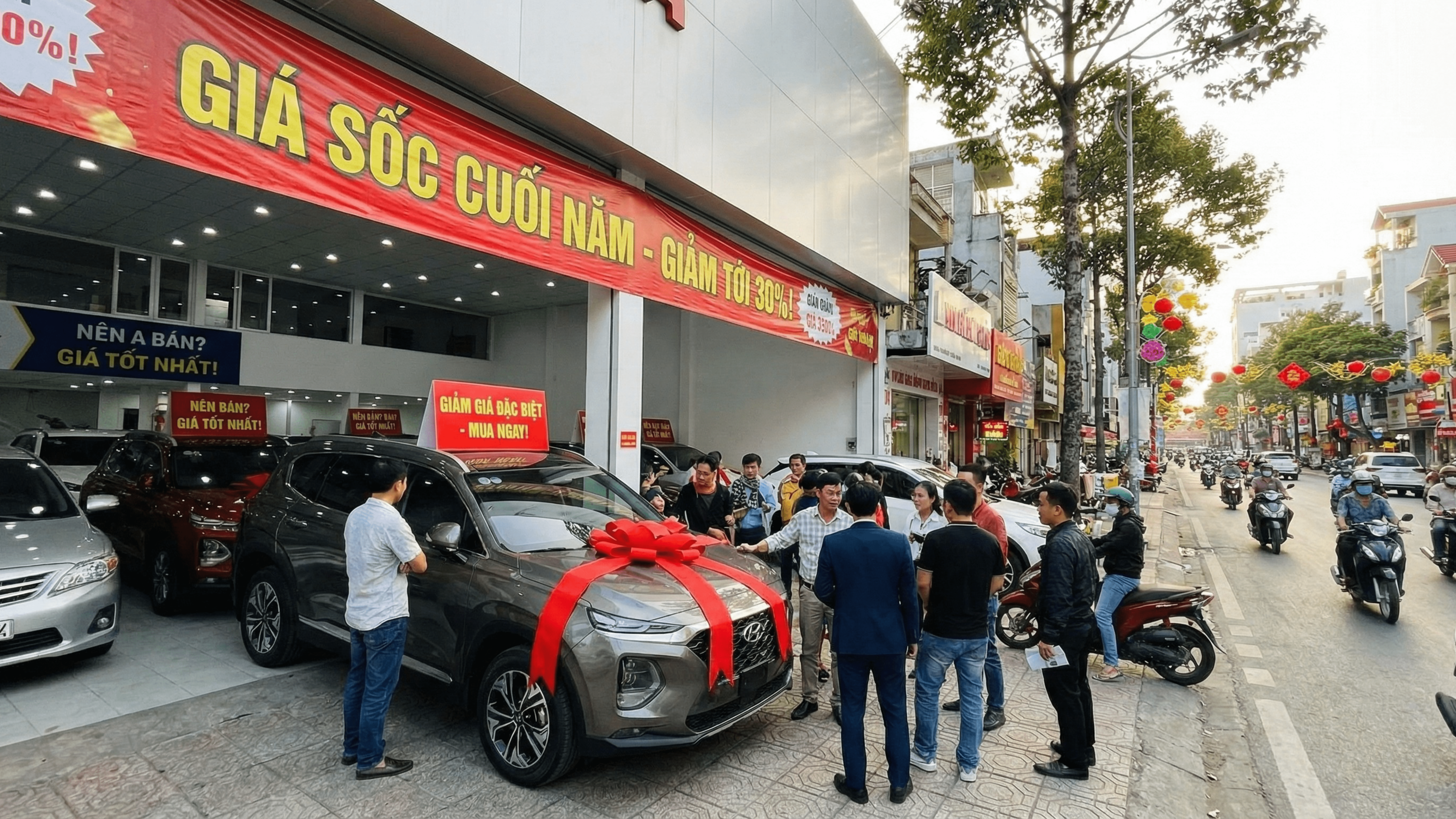
Discover what to look out for when assessing different car dealerships when looking to purchase a new or used car in Vietnam. This guide by Vietwheels and aimed to help prospective car buyers in make informed choices before driving away with their dream car in pristine condition, secured at a very competitive price with favourable servicing and warranty terms and conditions.
Overview of the Vietnamese Automotive Market
The Vietnamese automotive market has seen remarkable growth in recent years, establishing itself as one of the most dynamic sectors in Southeast Asia. With increasing disposable income and a burgeoning middle class, car ownership is no longer a luxury but a burgeoning necessity. The market is characterized by a diverse range of options, from economy vehicles to luxury cars, catering to the varied tastes and needs of consumers. The government's supportive policies, such as tax incentives for locally assembled vehicles, have also spurred the growth of the automotive industry in Vietnam.
Vietnam's automotive landscape is dominated by both domestic and international players. Prominent global brands like Toyota, Hyundai, and Ford have a significant presence, while local manufacturers like VinFast are making notable strides. This blend of local and international brands ensures that consumers have a wide array of choices, whether they are looking for affordability, reliability, or cutting-edge technology. Additionally, the rise of electric vehicles (EVs) has started to shape consumer preferences, with an increasing number of eco-conscious buyers opting for greener alternatives.
The rapid urbanization and infrastructural developments in cities like Hanoi and Ho Chi Minh City have further fuelled the demand for cars. As roads and highways improve, owning a vehicle becomes more practical and desirable. Moreover, the rise of e-commerce and delivery services has also contributed to the increased demand for commercial vehicles. In summary, the Vietnamese automotive market is a melting pot of opportunities, driven by a combination of economic growth, consumer demand, and supportive policies.
Factors to Consider When Choosing a Car Dealership
Selecting the right car dealership is crucial to ensuring a smooth and satisfactory car-buying experience. One of the primary factors to consider is the dealership's reputation. A well-established dealership with a solid reputation is likely to offer better customer service, a wider range of vehicles, and more reliable after-sales support. It's advisable to conduct thorough research, read customer reviews, and perhaps even seek recommendations from friends or family who have previously purchased vehicles from the dealership.
Another important factor is the range of services offered by the dealership. Comprehensive services such as financing options, insurance facilitation, and after-sales support can significantly enhance your buying experience. Dealerships that offer these services can save you the hassle of coordinating with multiple vendors, making the entire process more convenient. Additionally, some dealerships provide value-added services like free maintenance for a certain period, extended warranties, and roadside assistance, which can be incredibly beneficial in the long run.
Location and accessibility are also vital considerations. A dealership that is conveniently located can save you time and effort, especially when it comes to servicing and maintenance visits. Furthermore, a dealership with multiple branches or service centres can offer greater flexibility and convenience. Lastly, the dealership's inventory is a critical factor. A wide selection of vehicles, including various makes, models, and configurations, ensures that you have ample choices and can find a vehicle that perfectly suits your needs and budget.
Top Car Dealerships in Major Cities
When it comes to buying a car in Vietnam, the major cities like Hanoi, Ho Chi Minh City, and Da Nang offer a plethora of options. In Hanoi, Toyota My Dinh stands out as one of the premier dealerships. Known for its extensive inventory and excellent customer service, Toyota My Dinh has built a reputation for reliability and trustworthiness. The dealership offers a wide range of Toyota models, from economy cars to luxury vehicles, and provides comprehensive after-sales services, including maintenance and repair.
Ho Chi Minh City, the bustling economic hub of Vietnam, is home to several top-tier dealerships. Ford Phu My Hung is a notable example, offering an impressive selection of Ford vehicles along with exceptional customer service. The dealership is renowned for its transparent pricing, flexible financing options, and robust after-sales support. Another prominent dealership in Ho Chi Minh City is Mercedes-Benz Vietnam Star, which caters to the luxury car segment. Known for its opulent showroom and personalized service, this dealership provides an unparalleled buying experience for those seeking high-end vehicles.
Da Nang, a rapidly growing city, also boasts reputable dealerships. Hyundai Song Han is a leading dealership in the region, offering a diverse range of Hyundai vehicles. The dealership is praised for its customer-centric approach, competitive pricing, and comprehensive after-sales services. Another notable dealership in Da Nang is Mazda Quang Nam, which offers a wide selection of Mazda vehicles and is known for its exceptional customer service and transparent dealings. In summary, these dealerships in major cities provide a range of options, ensuring that buyers can find the perfect vehicle to meet their needs.
Comparison of New vs. Used Car Dealerships
Choosing between a new and a used car dealership is a critical decision that can significantly impact your buying experience and overall satisfaction. New car dealerships offer the advantage of selling vehicles that come with the latest features, technology, and warranties. These dealerships often provide a more straightforward buying process, as the vehicles are in pristine condition and come with manufacturer-backed warranties. Additionally, new car dealerships frequently offer promotional deals, financing options, and after-sales services that can add value to your purchase.
On the other hand, used car dealerships offer a different set of advantages. Primarily, buying a used car can be more cost-effective, as the initial depreciation has already occurred. This means you can often get a higher-end model or a vehicle with more features for a lower price compared to a new car. Used car dealerships often have a diverse inventory that includes various makes, models, and price ranges, providing more flexibility for budget-conscious buyers. However, it's essential to conduct thorough inspections and checks to ensure the used car is in good condition and free from any major issues.
Another key difference lies in the level of after-sales support. New car dealerships typically offer comprehensive after-sales services, including maintenance packages, extended warranties, and roadside assistance. In contrast, used car dealerships may offer limited after-sales support, although many have started to provide certified pre-owned programs that include warranties and thorough inspections. Ultimately, the choice between new and used car dealerships depends on your budget, preferences, and specific needs. Both options have their unique benefits, and understanding these differences can help you make an informed decision.
Importance of Customer Reviews and Ratings
In today's digital age, customer reviews and ratings play a pivotal role in shaping purchasing decisions, and the automotive industry is no exception. When choosing a car dealership, it's essential to consider the experiences of previous customers. Online platforms such as Google Reviews, Yelp, and automotive forums provide valuable insights into the dealership's reputation, customer service, and overall buying experience. Positive reviews and high ratings are often indicative of a trustworthy and reliable dealership, while negative feedback can serve as a red flag.
Customer reviews can provide detailed accounts of various aspects of the dealership, from the initial sales process to after-sales support. For instance, reviews may highlight the professionalism and knowledge of the sales staff, the transparency of pricing, and the efficiency of the financing process. These insights can help you gauge whether the dealership aligns with your expectations and requirements. Moreover, reviews can reveal potential issues or recurring problems, such as hidden fees, poor customer service, or delayed after-sales support, allowing you to make a more informed choice.
It's also beneficial to look for reviews that mention specific aspects relevant to your needs. For example, if you're interested in financing options, search for reviews that discuss the dealership's financing process. Additionally, consider the overall sentiment of the reviews. A dealership with consistently positive feedback across multiple platforms is likely to offer a better buying experience. In summary, customer reviews and ratings are invaluable tools that can guide you in selecting a reputable dealership, ensuring a smoother and more satisfying car-buying journey.
Financing Options Available at Vietnamese Dealerships
Financing is a crucial aspect of buying a car, and Vietnamese dealerships offer a variety of options to accommodate different financial situations. One of the most common financing options is through bank loans. Many dealerships have partnerships with local banks, allowing them to offer competitive interest rates and flexible repayment terms. These bank loans typically require a down payment, and the remaining amount is financed over a fixed period, usually ranging from three to seven years. The interest rates can vary based on the loan term, the buyer's credit score, and the specific bank's policies.
Another popular option is dealer financing, where the dealership itself provides the loan. This can be a convenient choice as it streamlines the buying process, eliminating the need to coordinate with external banks. Dealer financing often comes with promotional offers, such as low or zero percent interest rates for a limited period. However, it's essential to carefully review the terms and conditions, as dealer financing may sometimes come with higher overall costs compared to bank loans. Additionally, some dealerships offer leasing options, which allow you to drive a new car for a fixed period while making monthly lease payments. At the end of the lease term, you can either return the car, purchase it at a predetermined price, or lease a new vehicle.
For those with limited credit history or lower credit scores, some dealerships provide subprime financing options. These loans come with higher interest rates but offer an opportunity for buyers to secure financing and build their credit over time. Additionally, certain dealerships offer in-house financing programs tailored to specific customer needs, including flexible down payment options and customized repayment plans. In summary, Vietnamese dealerships provide a range of financing options to cater to diverse financial situations, ensuring that buyers can find a solution that fits their budget and requirements.
To access a wide range of favourable car financing options and solutions, please visit VietWheels Car Loans webpage, which includes the latest car loan interest rates from various banks, and submit an enquiry to book complimentary consultation meeting or call with our trusted and friendly car loan specialists.
Understanding Warranty and After-Sales Services
Warranty and after-sales services are critical components of the car-buying process, providing peace of mind and ensuring long-term satisfaction with your purchase. Most new cars come with a manufacturer-backed warranty that covers various components and systems for a specified period or mileage, typically ranging from three to five years. This warranty ensures that any defects or issues arising from manufacturing faults are repaired or replaced at no cost to the buyer. Understanding the terms and coverage of the warranty is essential, as it can vary between manufacturers and specific models.
In addition to the manufacturer’s warranty, many dealerships offer extended warranty programs that provide coverage beyond the initial warranty period. These extended warranties can cover major components such as the engine, transmission, and electrical systems, as well as additional services like roadside assistance and rental car reimbursement. While extended warranties come at an extra cost, they can offer valuable protection and financial security, especially if you plan to keep the car for an extended period.
After-sales services are equally important and can significantly impact your overall ownership experience. These services typically include regular maintenance, repairs, and parts replacement. Many dealerships offer maintenance packages that cover routine services such as oil changes, tire rotations, and brake inspections at discounted rates. Additionally, having your vehicle serviced at the dealership ensures that genuine parts are used and that the work is performed by trained technicians familiar with your car’s specifications. In summary, a comprehensive understanding of warranty and after-sales services can help you make an informed decision and ensure a hassle-free ownership experience.
Tips for Negotiating the Best Deal
Negotiating the best deal when buying a car can be a daunting task, but with the right strategies, you can secure a favourable price and terms. One of the most crucial tips is to do your homework before visiting the dealership. Research the market value of the car you’re interested in, considering factors such as the make, model, year, and condition. Websites like Vietwheels.com provide valuable pricing information, which can serve as a benchmark during negotiations. Additionally, gather information about any ongoing promotions or discounts offered by the dealership or manufacturer.
When negotiating, it’s essential to remain calm and composed. Start by making a reasonable offer based on your research and be prepared to justify your offer with information. Be polite but firm, and don’t be afraid to walk away if the dealership isn’t willing to meet your terms. Often, the willingness to leave can prompt the salesperson to re-evaluate their position and come back with a better offer. It’s also beneficial to negotiate other aspects of the deal, such as financing terms, trade-in value, and additional perks like free maintenance or extended warranties.
Another effective strategy is to get pre-approved for a loan before visiting the dealership. Having a pre-approval not only gives you a clear understanding of your budget but also strengthens your negotiating position. It shows the dealership that you are a serious buyer with financing in place, which can encourage them to offer competitive terms. Additionally, consider visiting multiple dealerships to compare offers. Playing one dealership’s offer against another can create a competitive environment, potentially leading to better deals. In summary, thorough preparation, a calm demeanor, and strategic negotiation techniques can help you secure the best deal when buying a car.
Pitfalls to Avoid When Buying a Car in Vietnam
Buying a car is a significant investment, and avoiding common pitfalls can save you from unnecessary stress and financial setbacks. One of the most common mistakes is failing to set a clear budget before starting the car-buying process. Without a defined budget, you may be tempted to stretch your finances for a more expensive vehicle, leading to long-term financial strain. It’s essential to consider not only the purchase price but also additional costs such as insurance, maintenance, fuel, and registration fees. Setting a realistic budget and sticking to it can help you make a more informed and financially sound decision.
Another common pitfall is neglecting to thoroughly inspect the vehicle, especially when buying a used car. A superficial inspection can overlook critical issues that may lead to costly repairs down the line. It’s advisable to have the vehicle inspected by a trusted mechanic who can identify any potential problems. Additionally, request a vehicle history report to check for any past accidents, repairs, or title issues. This report can provide valuable insights into the car’s condition and help you negotiate a better price if any issues are discovered.
Lastly, many buyers overlook the importance of thoroughly reviewing the financing terms and conditions. It’s crucial to understand the interest rate, loan term, monthly payments, and any additional fees associated with the financing option you choose. Failing to read the fine print can result in unexpected costs and financial strain. It’s also important to avoid making impulsive decisions based on high-pressure sales tactics. Take your time to evaluate your options, compare offers, and seek advice if needed. In summary, setting a clear budget, conducting thorough inspections, and carefully reviewing financing terms can help you avoid common pitfalls and make a more informed car-buying decision.
Conclusion: Making an Informed Purchase Decision
Buying a car is a significant milestone, and making an informed purchase decision is crucial to ensuring long-term satisfaction and financial stability. The Vietnamese automotive market offers a wide range of options, from new to used vehicles, catering to diverse preferences and budgets. By considering factors such as the dealership's reputation, range of services, and customer reviews, you can select a reliable dealership that meets your needs. Additionally, understanding the differences between new and used car dealerships, as well as the various financing options available, can help you make a more informed choice.
Warranty and after-sales services play a vital role in the overall ownership experience, providing peace of mind and financial security. Thoroughly reviewing these aspects and negotiating the best deal can enhance your car-buying journey. Avoiding common pitfalls, such as failing to set a budget or neglecting vehicle inspections, can save you from unnecessary stress and financial setbacks. By following these guidelines and taking the time to research and evaluate your options, you can confidently drive home your dream vehicle and enjoy a satisfying car ownership experience.
In conclusion, the ultimate buying guide for car dealerships in Vietnam aims to empower you with the knowledge and insights needed to make a well-informed decision. Whether you are a first-time buyer or an experienced car owner, understanding the key factors and considerations can help you navigate the car-buying process with confidence. So, take your time, do your research, and make a purchase that aligns with your needs and preferences.
We hope this Vietwheels article was helping about assessing the right car dealership for you in Vietnam. Check out our News and Articles page to read more blogs about the latest news, trends and insights about car sales in Vietnam.