


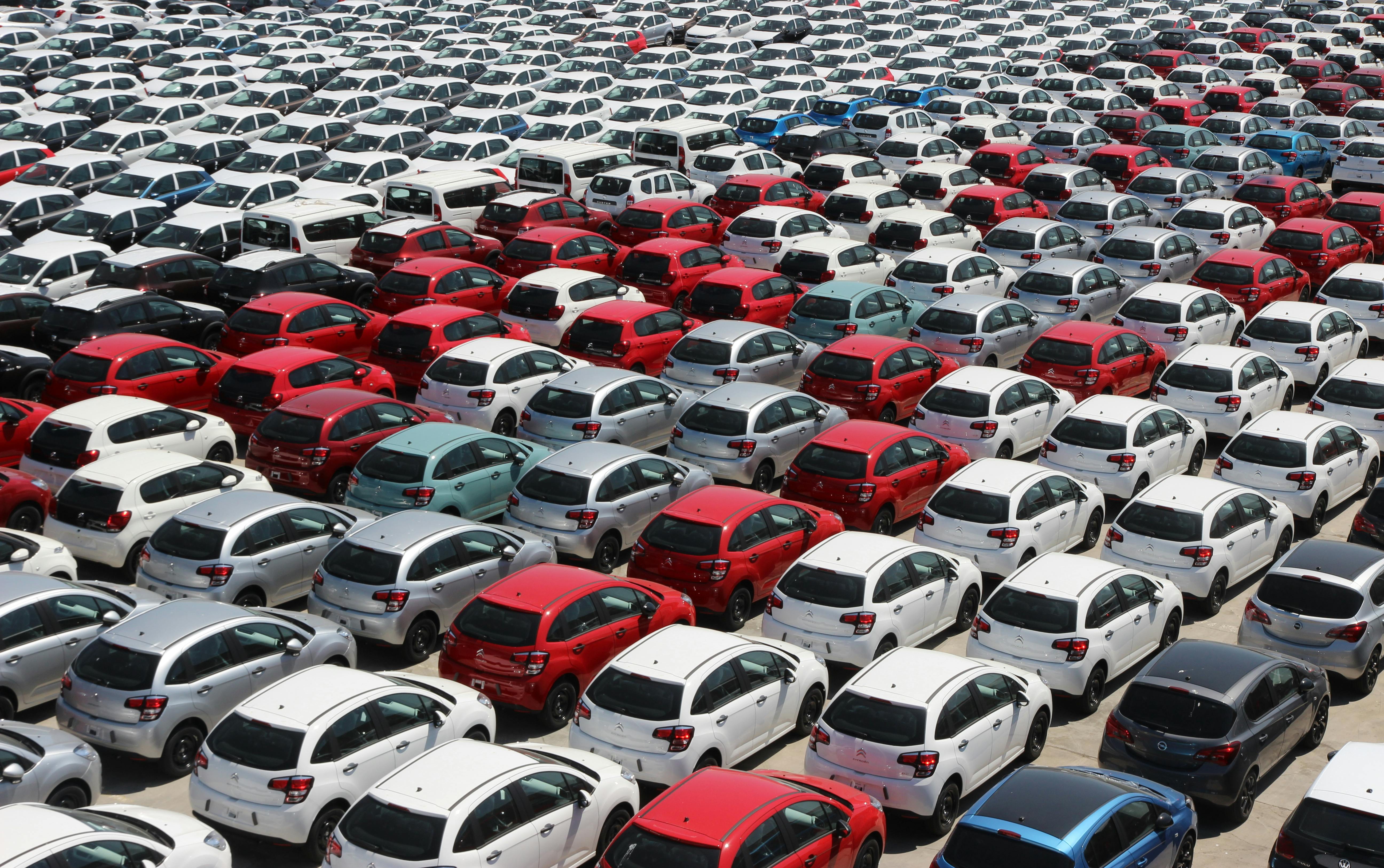
Vietnam’s car market has experienced a rapid shift in terms of consumer demand given rising median income per capita, as well as significant increase in supply from Vietnam’s own manufacturing (e.g. thanks to ) and rise in volume of imports. In this Vietwheels article, we explore the dynamics of Vietnam's car market in 2026 as we delve into the intricate balance between demand and supply. Discover key trends shaping the industry today.
Overview of the Vietnamese Automotive Market
Vietnam's automotive market has been on a transformative journey over the past few decades. From being a nation heavily reliant on motorcycles for daily commuting, Vietnam is rapidly shifting gears towards a more car-centric culture. This transition is fuelled by a growing middle class, increased urbanization, and a burgeoning economy. The automotive sector's expansion can be seen in the rising sales figures, the influx of international car manufacturers, and significant investments in local production facilities.
The Vietnamese government has also played a crucial role in shaping the automotive landscape. Policies aimed at reducing import taxes and encouraging local manufacturing have attracted global players like Toyota, Hyundai, and Ford. These companies, along with local brands such as VinFast, are competing to meet the diverse needs of Vietnamese consumers. The result is a dynamic market characterized by a wide range of options, from budget-friendly models to luxury vehicles.
However, the market is not without its challenges. Infrastructure development, traffic congestion, and environmental concerns are some of the issues that need addressing. Despite these hurdles, the Vietnamese automotive market is poised for substantial growth, making it an exciting space to watch in the coming years.
Current Trends in Car Demand in Vietnam
The demand for cars in Vietnam has seen a significant uptick, driven by several key trends. One of the most notable is the increasing disposable income among the population. As more Vietnamese citizens find themselves with higher purchasing power, the aspiration to own a car becomes more achievable. This shift is evident in the growing number of first-time car buyers, particularly among young professionals and urban dwellers.
Another trend shaping car demand is the changing lifestyle preferences. With more people moving to urban areas, the convenience and comfort offered by cars become indispensable. Additionally, the rise of ride-hailing services like Grab and Be has spurred demand for vehicles, as more individuals consider driving as a viable source of income. These services have not only boosted car sales but have also influenced the types of cars being purchased, with a noticeable preference for fuel-efficient and compact models.
Technological advancements are also playing a pivotal role in shaping consumer preferences. The availability of smart features, advanced safety systems, and connectivity options are becoming key selling points. Vietnamese consumers are increasingly looking for cars that offer a blend of traditional reliability and modern innovation, pushing manufacturers to up their game in terms of design and functionality.
Factors Influencing Car Demand in 2026
Several factors are influencing car demand in Vietnam in 2026. Economic stability is a primary driver. With Vietnam's GDP showing consistent growth, consumer confidence is at an all-time high. This economic optimism translates into increased spending on big-ticket items like cars. Additionally, favourable financing options and low-interest loans are making it easier for consumers to afford vehicles, further boosting demand.
Urbanisation is another significant factor. As more people migrate to cities for better job opportunities, the need for personal transportation becomes more pressing. Public transportation, while improving, still lags the rapid pace of urbanisation. This gap is being filled by private car ownership, leading to a surge in demand for vehicles that are both affordable and practical for city driving.
Government policies also play a crucial role in shaping car demand. Incentives such as tax reductions for locally manufactured vehicles and subsidies for electric cars are encouraging more people to invest in automobiles. These policies not only make cars more accessible but also align with the government's broader goals of reducing environmental impact and promoting sustainable transportation options.
Supply Chain Challenges in the Vietnam’s Auto Industry
While demand for cars in Vietnam is robust, the supply chain faces several challenges that could impede growth. One of the most pressing issues is the dependency on imported components. Despite efforts to boost local manufacturing, a significant portion of car parts still comes from overseas. This dependency makes the supply chain vulnerable to global disruptions, such as the semiconductor shortage that has affected the automotive industry worldwide.
Logistical challenges also pose a significant hurdle. Vietnam's infrastructure, though improving, is still not fully equipped to handle the complexities of modern automotive supply chains. Ports, roads, and warehouses need significant upgrades to ensure smooth and efficient movement of goods. Delays and bottlenecks in the supply chain can lead to increased costs and longer lead times, affecting the overall market dynamics.
Labor shortages and skill gaps are additional challenges. The automotive industry requires a highly skilled workforce to meet the demands of modern manufacturing processes. However, there is a noticeable gap between the skills required and those available in the labour market. This gap necessitates investment in training and development programs to equip the workforce with the necessary skills to support the industry's growth.
The Role of Government Policies on Car Supply and Demand
Government policies have a profound impact on both the supply and demand of cars in Vietnam. On the demand side, the government has introduced various incentives to make car ownership more accessible. These include tax breaks for first-time car buyers and subsidies for electric vehicles. Such measures are designed to encourage more people to invest in cars, thereby boosting demand.
On the supply side, the government is focusing on promoting local manufacturing. Policies aimed at reducing import taxes on raw materials and components are encouraging global car manufacturers to set up production facilities in Vietnam. Local brands like VinFast are also benefiting from these policies, gaining a competitive edge in the market. Additionally, the government is investing in infrastructure projects to improve logistics and supply chain efficiency, further supporting the automotive industry's growth.
Environmental regulations are another key aspect of government policies. The push for greener transportation options is leading to stricter emission standards and incentives for electric vehicles. These regulations are not only shaping the types of cars being produced and sold but also influencing consumer preferences. As environmental awareness grows, more consumers are likely to opt for eco-friendly vehicles, aligning with the government's sustainability goals.
Impact of Economic Conditions on Car Purchasing Behavior
Economic conditions have a direct influence on car purchasing behavior in Vietnam. During periods of economic growth, consumer confidence tends to rise, leading to increased spending on luxury and non-essential items, including cars. This trend is evident in the current market, where a stable economy has led to a surge in car sales. Consumers are more willing to invest in vehicles, viewing them as not just a necessity but also a status symbol.
Conversely, economic downturns can lead to a decline in car sales. During such periods, consumers tend to tighten their belts, focusing on essential expenditures and postponing big-ticket purchases like cars. This cyclical nature of car purchasing behavior makes the automotive market highly sensitive to economic fluctuations. Manufacturers and dealers often must employ strategic pricing and financing options to navigate these economic cycles and maintain sales momentum.
Inflation and currency exchange rates are also critical factors. High inflation can erode purchasing power, making cars less affordable for the average consumer. Similarly, unfavourable exchange rates can increase the cost of imported vehicles and components, leading to higher prices for end consumers. These economic variables necessitate a flexible and adaptive approach from manufacturers and dealers to cater to the changing economic landscape.
Comparing Demand vs Supply: Key Statistics and Insights
The balance between demand and supply in Vietnam's car market is a delicate one, influenced by a myriad of factors. According to recent statistics, car sales in Vietnam have been on a consistent upward trajectory, with a year-on-year increase of approximately 10%. This growth is primarily driven by the rising middle class and increased urbanization. However, supply chain constraints have led to a mismatch between demand and supply, causing delays and price hikes.
One of the key insights is the disparity between locally manufactured vehicles and imports. While local production is increasing, it still lags the demand, leading to a reliance on imported cars. This reliance makes the market susceptible to global supply chain disruptions, as seen during the recent semiconductor shortage. The gap between demand and supply is also evident in the luxury car segment, where demand far outstrips supply, leading to long waiting periods for high-end models.
Another notable insight is the growing demand for electric vehicles (EVs). While the current supply of EVs is limited, demand is expected to soar in the coming years, driven by government incentives and increasing environmental awareness. This trend presents both a challenge and an opportunity for manufacturers. On one hand, they need to ramp up production to meet the growing demand, and on the other, they have the chance to capture a significant market share in the emerging EV segment.
The Future of Electric Vehicles in Vietnam
The future of electric vehicles (EVs) in Vietnam looks promising, driven by a combination of government initiatives, technological advancements, and changing consumer preferences. The Vietnamese government has set ambitious targets for EV adoption, including tax incentives and subsidies to make these vehicles more affordable. These measures are designed to reduce the country's carbon footprint and promote sustainable transportation options.
Technological advancements are also making EVs more appealing to Vietnamese consumers. Improvements in battery technology, increased driving ranges, and faster charging times are addressing some of the key concerns that have historically hindered EV adoption. Additionally, the growing network of charging stations across the country is making it more convenient for EV owners to charge their vehicles, further boosting their appeal.
Consumer awareness and environmental consciousness are on the rise, contributing to the growing interest in EVs. More Vietnamese consumers are becoming aware of the environmental impact of traditional internal combustion engine vehicles and are looking for greener alternatives. This shift in consumer mindset is expected to drive demand for EVs, pushing manufacturers to accelerate their production plans and introduce more models tailored to the Vietnamese market.
Consumer Preferences and Their Effect on Supply Dynamics
Consumer preferences play a crucial role in shaping the supply dynamics of the Vietnamese automotive market. As consumer tastes evolve, manufacturers must adapt their offerings to meet these changing demands. Currently, there is a noticeable shift towards vehicles that offer a blend of practicality, affordability, and advanced features. Consumers are increasingly looking for cars that are not only economical to run but also come equipped with the latest technology and safety features.
The growing demand for SUVs and crossover vehicles is a clear example of changing consumer preferences. These vehicles offer more space, versatility, and a higher driving position, making them particularly popular among families and young professionals. Manufacturers are responding to this trend by expanding their SUV and crossover lineups, ensuring they have models that cater to various price points and preferences.
The rise of ride-hailing services is also influencing consumer preferences. Vehicles that are fuel-efficient, easy to maintain, and reliable are in high demand among ride-hailing drivers. This trend is pushing manufacturers to focus on producing models that meet these criteria, ensuring they capture a significant share of this growing market segment. Additionally, the increasing interest in electric vehicles is prompting manufacturers to ramp up their EV production, aligning their supply with the evolving consumer preferences.
Conclusion and Future Outlook for the Vietnamese Car Market
The Vietnamese car market is at a pivotal point, characterized by robust demand, evolving consumer preferences, and significant government support. The balance between demand and supply remains a critical factor, influenced by economic conditions, supply chain challenges, and technological advancements. While the market faces several hurdles, the overall outlook remains positive, driven by a growing middle class, increased urbanization, and a favourable policy environment.
The future of electric vehicles in Vietnam is particularly promising, with government incentives and rising environmental awareness expected to drive significant growth in this segment. Manufacturers have a unique opportunity to capture a substantial market share by aligning their production plans with the evolving consumer preferences and regulatory landscape.
As the Vietnamese automotive market continues to grow and evolve, stakeholders must remain agile and adaptive. By addressing supply chain challenges, investing in local manufacturing, and focusing on sustainable transportation options, the industry can navigate the complexities of demand and supply dynamics, ensuring long-term success and growth. The journey ahead is undoubtedly challenging, but with the right strategies and a forward-thinking approach, the Vietnamese car market is poised for a bright and prosperous future.
We hope you found this article by Vietwheels insightful about the current demand and supply dynamics shaping Vietnam’s growing auto sector. Please check our News and Articles page for the latest news and insights about car sales in Vietnam.