


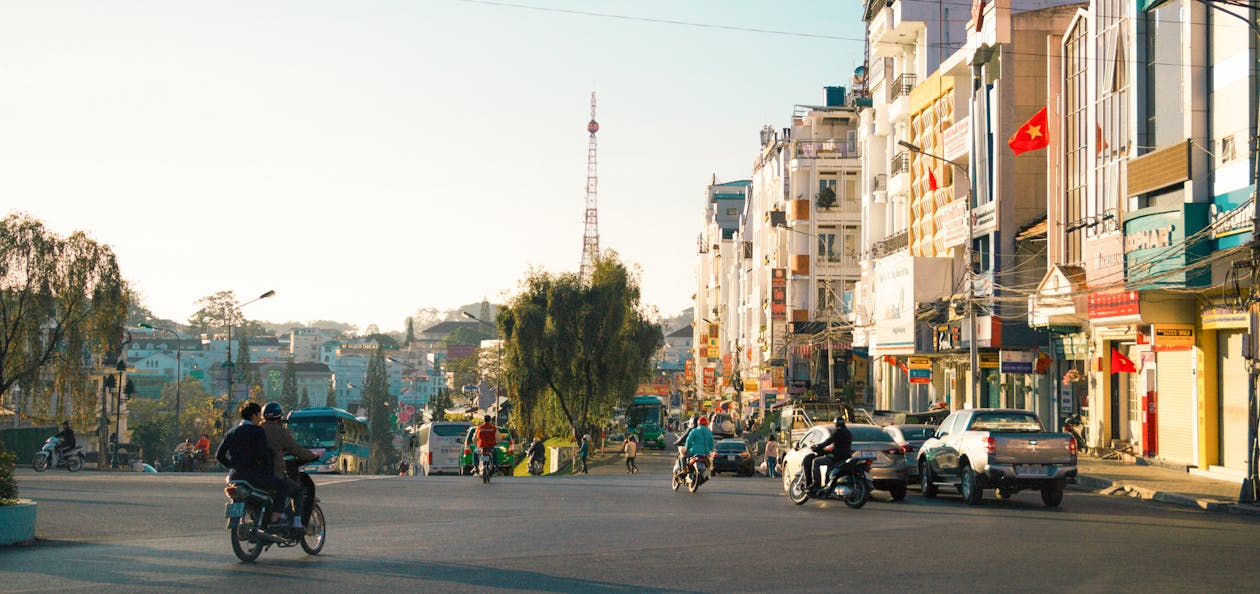
This adventure blog is brought to you by VietWheels. Imagine the wind rushing past you as you navigate Vietnam's breathtaking landscapes on two wheels.
From the bustling streets of Hanoi to the serene shores of Da Nang, there's no better way to immerse yourself in the culture and beauty of this vibrant country than with a motorbike adventure.
Exploring Vietnam on two wheels offers a sense of freedom that traditional travel just can’t match. You’ll discover hidden gems, taste authentic street food, and connect with locals in ways that make every ride unforgettable.
Whether you're a seasoned rider or a novice, this ultimate guide is packed with tips and routes, ensuring your journey through Vietnam is safe, thrilling, and deeply rewarding. Get ready to rev your engines and embark on a journey that will leave you with memories to last a lifetime. Let’s hit the road and make some incredible discoveries together!
Why Choose a Motorbike for Exploring Vietnam?
The allure of Vietnam is undeniable, with its stunning landscapes, rich history, and vibrant culture. While there are many ways to explore this Southeast Asian gem, none offer the same level of freedom and immersion as traversing the country on a motorbike.
Whether you’re winding through the lush hills of Sapa or cruising along the coastal roads of Nha Trang, the experience is unparalleled. A motorbike allows you to go off the beaten path, discover hidden villages, and interact with locals in a way that bus tours or taxis simply can’t provide.
One of the most compelling reasons to choose a motorbike is the flexibility it offers. You aren’t confined to a rigid schedule or specific routes. If you see an intriguing side street, a stunning viewpoint, or a bustling market, you can easily stop and explore. This level of autonomy transforms your journey into a series of spontaneous adventures, each more captivating than the last. Furthermore, the sense of accomplishment and connection you feel after navigating Vietnam’s diverse terrains on two wheels is incredibly rewarding.
Additionally, Vietnam’s infrastructure is surprisingly conducive to motorbike travel. The country has an extensive network of roads and paths that are perfect for riding. From the smooth highways connecting major cities to the narrow, winding roads that lead to remote villages, there’s a route for every type of rider.
Furthermore, motorbiking is deeply ingrained in Vietnamese culture, making it easy to find services, repairs, and advice along the way. The camaraderie among riders and the welcoming spirit of the locals enhance the journey, making motorbiking in Vietnam an experience unlike any other.
Essential Gear and Safety Tips for Motorbiking
Safety should always be your top priority when embarking on a motorbike adventure in Vietnam. The first step is to ensure you have the right gear. A quality helmet is non-negotiable; it’s the most critical piece of safety equipment you’ll have. Make sure it fits well and meets safety standards.
Many rentals include helmets, but it’s worth investing in your own if you plan on a long trip. Beyond the helmet, consider wearing protective clothing such as gloves, jackets with armor, and sturdy boots to protect against falls and the elements.
Equipping your bike with essential safety features is also crucial. Check that the lights, brakes, and tires are in good condition before you set off. Carrying a basic tool kit and spare parts like inner tubes and spark plugs can save you from being stranded in remote areas. A first aid kit is another must-have, stocked with bandages, antiseptics, and any personal medications. Additionally, using a GPS or a reliable map app can help you navigate unfamiliar areas and avoid getting lost.
Understanding and adhering to local traffic laws is vital for a safe journey. In Vietnam, traffic can be chaotic, especially in cities. Familiarize yourself with the local driving style and rules. For instance, honking is a common way to signal your presence, and it’s essential to be vigilant at intersections where traffic lights might be ignored.
Always ride defensively, keep an eye out for sudden stops, and be cautious of larger vehicles. Wearing reflective gear can also improve your visibility, especially during early morning or late evening rides. By taking these precautions and staying alert, you can significantly reduce the risks and fully enjoy the adventure.
Best Routes for Motorbiking Adventures in Vietnam
Vietnam is a land of diverse landscapes, each offering unique motorbiking experiences. One of the most iconic routes is the Hai Van Pass, a 20-kilometer stretch between Da Nang and Hue. This route is famous for its breathtaking ocean views and winding mountain roads.
As you ascend the pass, you’ll encounter misty hills and ancient fortifications, making it a scenic and historically rich journey. The Hai Van Pass is relatively short but incredibly rewarding, perfect for those who want a taste of Vietnam’s natural beauty without committing to a long ride.
For a more extended adventure, the Ho Chi Minh Trail is a must. This historic route stretches from Hanoi in the north to Ho Chi Minh City in the south, spanning over 1,700 kilometers. The trail was originally used during the Vietnam War for transporting supplies and troops, and today it offers a unique way to experience the country’s varied landscapes.
In this immersive adventure, you’ll get to ride through dense jungles, cross rivers, and pass through rural villages where you can experience the local way of life. The trail is well-marked and relatively easy to navigate, making it suitable for riders of all levels.
The Northeast Loop is another fantastic route, especially for those looking to explore Vietnam’s less touristy regions. Starting in Hanoi, this loop takes you through the spectacular landscapes of Ha Giang, Ba Be National Park, and Cao Bang. The region is known for its dramatic karst mountains, lush valleys, and traditional ethnic villages.
The roads can be challenging, with steep climbs and sharp turns, but the stunning scenery and cultural encounters make it well worth the effort. The Northeast Loop is ideal for more experienced riders looking for a challenging yet incredibly rewarding adventure.
Renting vs. Buying a Motorbike: What You Need to Know
Deciding whether to rent or buy a motorbike in Vietnam depends on the length of your stay and your travel plans. Renting is a convenient option for short trips or if you plan to stay in one region. Rental shops are abundant in major cities and tourist areas, offering a range of bikes from scooters to more powerful motorcycles.
The rental process is straightforward, and you can often negotiate the price. However, be sure to inspect the bike thoroughly before renting and take note of any existing damage to avoid disputes later.
Buying a motorbike is a better option if you plan to travel extensively or stay in Vietnam for an extended period. Purchasing a bike gives you the freedom to customize it and ensures you have a reliable mode of transportation throughout your journey.
Second-hand bikes are widely available and can be found in shops, online marketplaces, or through fellow travelers looking to sell their bikes. When buying a used bike, it’s essential to check its condition carefully and ensure all paperwork, including registration and insurance, is in order.
Both options have their pros and cons. Renting is hassle-free and includes maintenance, but it can be more expensive in the long run. Buying a bike requires an initial investment and regular upkeep, but it offers greater freedom and can be more cost-effective for long trips.
Whichever option you choose, make sure you have the proper documentation, including an international driving permit and insurance, to ensure a smooth and legal journey.
Navigating Vietnam’s Roads: Rules and Regulations
Navigating Vietnam’s roads can be challenging, especially for first-time visitors. Understanding the local traffic rules and regulations is crucial for a safe journey. In Vietnam, traffic drives on the right side of the road, and the minimum age for riding a motorbike is 18. An international driving permit (IDP) is required for foreigners, and it’s advisable to always carry a copy of your passport and visa. Helmets are mandatory, and failure to wear one can result in fines.
Traffic in Vietnam can be chaotic, particularly in cities like Hanoi and Ho Chi Minh City. It’s essential to stay alert and drive defensively. Be prepared for sudden stops, unpredictable maneuvers, and a mix of vehicles ranging from bicycles to large trucks. Honking is a common way to signal your presence, especially when overtaking or approaching intersections. Roundabouts are prevalent, and the general rule is to yield to vehicles already in the roundabout.
Speed limits vary depending on the area. In urban areas, the limit is usually 40-60 km/h, while on highways it can range from 80-100 km/h. Speed limits are strictly enforced, and fines for violations can be hefty. Additionally, alcohol consumption is a significant risk factor in traffic accidents.
The legal blood alcohol limit is 0.05%, and penalties for driving under the influence are severe. Always drive sober and avoid riding at night, especially in unfamiliar areas. By following these rules and staying vigilant, you can navigate Vietnam’s roads safely and enjoy your motorbike adventure.
Must-See Destinations Along Popular Motorbike Routes
Vietnam is brimming with must-see destinations that are easily accessible by motorbike. One such gem is the ancient town of Hoi An. Located along the central coast, Hoi An is renowned for its well-preserved architecture, charming lantern-lit streets, and vibrant markets.
Riding through the countryside around Hoi An, you’ll encounter lush rice paddies, traditional villages, and serene waterways. Don’t miss the chance to explore the town’s historic temples, sample its famous street food, and take a leisurely boat ride on the
Thu Bon River. Sapa, in the northern region, is another highlight that should be on every rider’s itinerary. This mountainous area is famous for its terraced rice fields, ethnic minority villages, and stunning vistas.
The ride to Sapa is an adventure, with winding roads that offer breathtaking views at every turn. Once in Sapa, you can trek through the hills, visit local markets, and immerse yourself in the culture of the Hmong, Red Dao, and other ethnic groups. The cool climate and dramatic landscapes make Sapa a refreshing escape from the hustle and bustle of the cities.
In the south, the Mekong Delta offers a completely different experience. This vast network of rivers, swamps, and islands is best explored by both motorbike and boat. Riding through the delta, you’ll pass through bustling towns, tranquil villages, and lush orchards.
The region is known for its floating markets, where vendors sell fresh produce, seafood, and local delicacies from their boats. A visit to the Mekong Delta provides a fascinating glimpse into the traditional way of life in southern Vietnam and is a must for any motorbike adventurer.
Local Cuisine and Culture: What to Experience on Your Journey
One of the greatest joys of exploring Vietnam on a motorbike is the opportunity to indulge in the country’s rich culinary traditions. Vietnamese cuisine is diverse, flavorful, and deeply rooted in regional ingredients and cooking methods.
Each region you ride through offers unique dishes that reflect the local culture and environment. In the north, try pho, a fragrant noodle soup with a clear broth, tender meat, and fresh herbs. Hanoi is the birthplace of this iconic dish, and you’ll find some of the best pho in its bustling street stalls.
As you head south, the flavors become more robust and varied. In the central region, sample the spicy and aromatic dishes of Hue, the former imperial capital. Bun bo Hue, a spicy beef noodle soup, and banh khoai, crispy rice pancakes filled with shrimp and pork, are local favorites.
In the south, the cuisine is characterized using fresh herbs, coconut milk, and seafood. Don’t miss the chance to try banh xeo, savory pancakes stuffed with shrimp, pork, and bean sprouts, or a bowl of hu tieu, a noodle soup popular in the Mekong Delta.
Vietnamese culture is as rich and varied as its cuisine. Each region has its own traditions, festivals, and ways of life. As you travel, take the time to engage with the locals, visit cultural sites, and participate in traditional activities.
In rural areas, you might be invited to a family meal or a local festival, providing a unique insight into the community’s way of life. In cities, explore museums, temples, and historic sites to learn about Vietnam’s history and cultural heritage. Embracing the local culture will enrich your journey and create lasting memories.
Common Challenges and How to Overcome Them
Motorbiking through Vietnam is an adventure, but it’s not without its challenges. One common issue is the unpredictable weather. Vietnam’s climate varies significantly from north to south and can change quickly. In the north, you might encounter cold and foggy conditions, especially in the mountainous regions.
In the south, the weather is generally warmer, but the rainy season can bring heavy downpours and flooding. To prepare, pack waterproof gear, check weather forecasts regularly, and plan your routes to accommodate changing conditions.
Navigating Vietnam’s roads can also be challenging, particularly in rural areas where signage may be limited or in Vietnamese. A reliable GPS or map app is invaluable for staying on track. Additionally, road conditions can vary, with some routes featuring rough or unpaved sections. Ride cautiously, especially in unfamiliar areas, and be prepared for unexpected obstacles like potholes or livestock on the road. Regularly maintaining your bike and carrying spare parts can also help you avoid breakdowns in remote locations.
Language barriers can be another challenge, especially in rural regions where English is less commonly spoken. Learning a few basic Vietnamese phrases can go a long way in communicating with locals and seeking assistance when needed.
Don’t be afraid to use gestures or translation apps to bridge the gap. Vietnamese people are generally friendly and helpful, and trying to speak their language can enhance your interactions and enrich your travel experience. By anticipating these challenges and preparing accordingly, you can overcome them and enjoy a smooth and unforgettable motorbike adventure.
Conclusion: Embrace the Adventure of Motorbiking in Vietnam
Exploring Vietnam on two wheels is an adventure like no other. It offers the freedom to discover the country’s hidden gems, the flexibility to create your own itinerary, and the opportunity to immerse yourself in the local culture. From the bustling streets of Hanoi to the serene landscapes of the Mekong Delta, every ride is filled with new experiences and unforgettable moments.
Whether you choose to rent or buy a motorbike, prioritize safety, and equip yourself with the right gear. Plan your routes carefully, considering the diverse terrains and weather conditions you’ll encounter. Embrace the local cuisine and culture, and don’t be afraid to venture off the beaten path. The challenges you face along the way will only add to the richness of your journey and the memories you’ll create.
So, rev your engines, hit the road, and let the adventure unfold. Vietnam is waiting to be explored, and there’s no better way to do it than on two wheels. This ultimate guide has provided you with the tips and insights you need to embark on a safe, thrilling, and deeply rewarding motorbike adventure. Now, it’s time to make some incredible discoveries and create memories that will last a lifetime.
Xe ô tô – thanks for checking out VietWheel’s adventure blog about Motorbiking in Vietnam. Wishing you a safe and fun motorbiking journey in Vietnam ahead!