

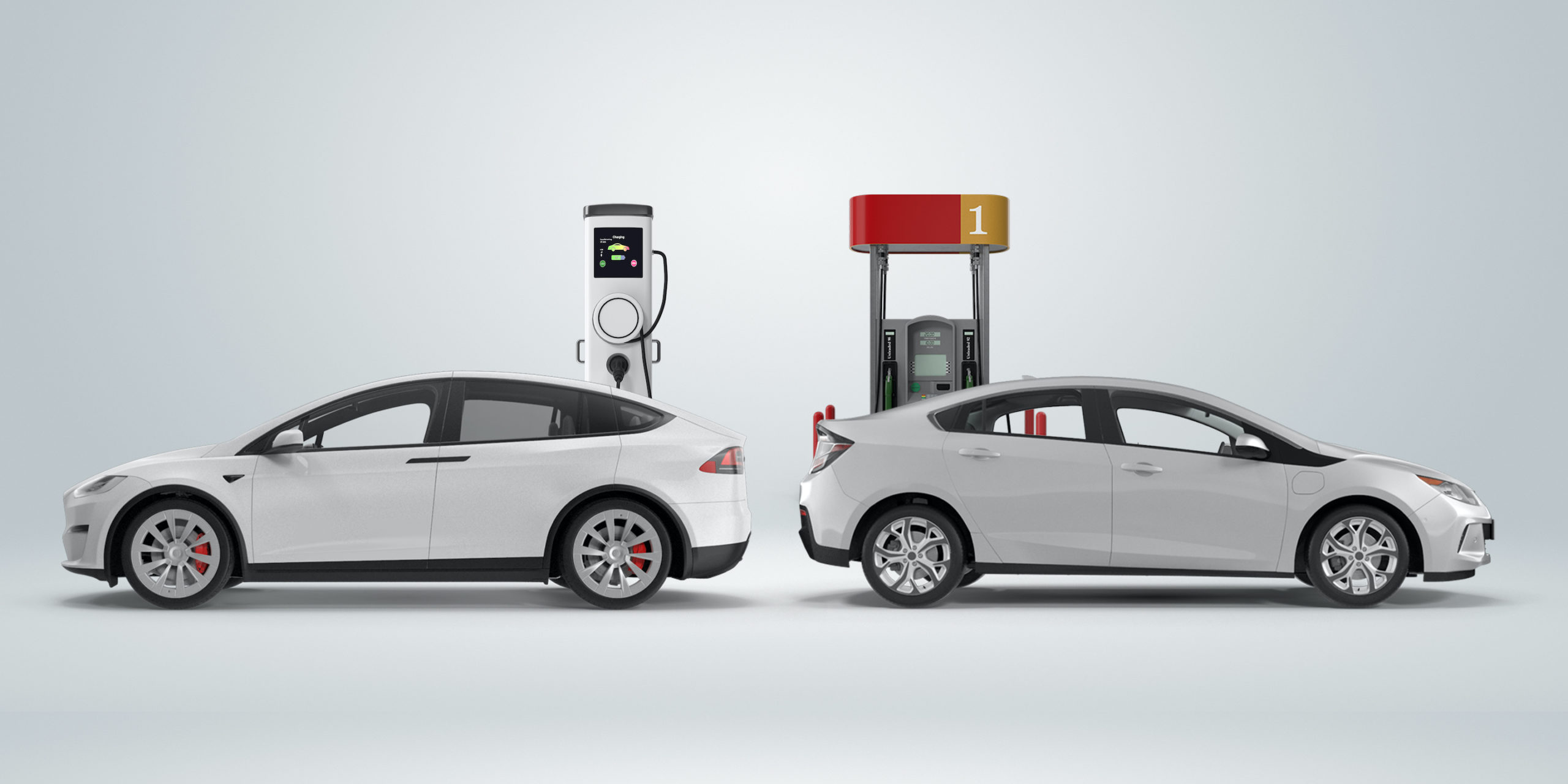
In this guest post by Vietwheels, we discover the key differences and find out which option best suits your lifestyle and the environment.
Vietnam is experiencing a transformative era in its automotive industry. With a growing middle class and increasing urbanization, the demand for personal vehicles is on the rise. Traditionally, the market has been dominated by motorcycles and scooters, but the trend is shifting towards cars as income levels rise. This shift is further accelerated by the government's focus on infrastructural development and the expansion of urban areas, which necessitates the need for more personal vehicles.
The Vietnamese automotive market is a mix of locally manufactured cars and imports. Brands like Toyota, Honda, and Ford have a significant presence, but local brands like VinFast are also making waves. The introduction of modern technologies and the government's push for cleaner energy have opened new avenues for electric vehicles (EVs) and hybrid cars. These new vehicle technologies are not only seen to reduce environmental impact but also as a means to modernize the transportation sector.
As consumers become more environmentally conscious and fuel prices fluctuate, the interest in EVs and hybrid cars has surged. However, the market for these vehicles is still in its nascent stages compared to traditional internal combustion engine (ICE) vehicles. Despite this, the potential for growth is immense. The Vietnamese government's policies and incentives are likely to play a crucial role in shaping the future of the automotive market, making it an exciting time for both consumers and manufacturers.
Environmental Impact of EVs vs. Hybrids
When it comes to environmental impact, EVs and hybrid cars offer significant advantages over traditional gasoline-powered vehicles. Electric vehicles produce zero tailpipe emissions, which means they do not contribute to air pollution in urban areas. This is particularly important in Vietnam, where cities like Hanoi and Ho Chi Minh City struggle with high levels of air pollution. By reducing emissions, EVs can contribute to cleaner air and a healthier living environment.
Hybrid cars, on the other hand, offer a middle-ground solution. They combine an internal combustion engine with an electric motor, allowing for reduced fuel consumption and lower emissions compared to traditional cars. While hybrids do not eliminate emissions entirely, they significantly reduce them, especially in stop-and-go city driving where the electric motor can take over. This makes hybrids a suitable option for those looking to reduce their environmental footprint without fully committing to an electric vehicle.
However, the environmental benefits of EVs are not without their challenges. The production of electric vehicles, particularly the batteries, involves significant resource extraction and energy consumption. Additionally, the source of electricity used to charge EVs plays a crucial role in their overall environmental impact. In Vietnam, where a significant portion of electricity is generated from coal, the environmental benefits of EVs may be somewhat diminished. Nevertheless, as the country invests in renewable energy sources, the long-term environmental benefits of EVs are likely to increase.
Cost Analysis: EVs vs. Hybrid Cars
When considering the cost of EVs versus hybrid cars, it's essential to look at both the upfront purchase price and the long-term running costs. Generally, electric vehicles tend to have a higher initial purchase price compared to hybrid cars. This is primarily due to the cost of the battery, which is one of the most expensive components of an EV. However, prices are gradually decreasing as technology advances and economies of scale come into play.
On the other hand, hybrid cars often come with a lower upfront cost compared to EVs. This makes them more accessible to a broader range of consumers. The cost of ownership for hybrids can also be lower than traditional gasoline cars, thanks to improved fuel efficiency. However, it's essential to note that hybrids still require gasoline, so fuel costs will still be a factor, albeit reduced.
When it comes to long-term costs, EVs often have the advantage. Electric vehicles typically have lower maintenance costs because they have fewer moving parts compared to internal combustion engines. There's no need for oil changes, and brake wear is reduced due to regenerative braking systems. Additionally, the cost of electricity for charging an EV is generally lower than the cost of gasoline. Over the vehicle's lifetime, these savings can add up, making EVs a more cost-effective option in the long run.
Government Incentives and Support for EVs in Vietnam
The Vietnamese government has recognized the potential benefits of electric vehicles and has introduced various incentives to encourage their adoption. These incentives are designed to make EVs more affordable and appealing to consumers. One of the most significant incentives is the reduction or elimination of import duties on electric vehicles. This can significantly lower the cost of purchasing an EV, making them more competitive with traditional gasoline and hybrid cars.
In addition to import duty reductions, the government is also offering tax incentives for both manufacturers and consumers. These tax breaks can help offset the higher initial purchase price of electric vehicles, making them more accessible to a broader range of consumers. Furthermore, the government is investing in research and development to support the growth of the EV industry in Vietnam. This includes funding for new technologies and infrastructure development to support the widespread adoption of electric vehicles.
Another crucial area of government support is the development of charging infrastructure. The availability of charging stations is a significant factor in the adoption of electric vehicles. The government is working with private companies to develop a comprehensive network of charging stations across the country. This includes fast-charging stations along major highways and in urban areas, making it more convenient for EV owners to charge their vehicles. These efforts are crucial in addressing one of the main barriers to EV adoption: range anxiety.
Infrastructure Development for EV Charging Stations
The development of EV charging infrastructure is a critical component in the widespread adoption of electric vehicles in Vietnam. Without a robust network of charging stations, potential EV buyers may be hesitant to make the switch due to concerns about where and how they will charge their vehicles. To address this, the Vietnamese government, in collaboration with private enterprises, is working on expanding the charging infrastructure across the country.
One of the primary focuses is the installation of fast-charging stations along major highways and in urban centres. These fast-charging stations can significantly reduce the time it takes to recharge an electric vehicle, making long-distance travel more feasible for EV owners. This is particularly important in a country like Vietnam, where intercity travel is common. The presence of fast-charging stations can alleviate range anxiety and make EVs a more practical option for everyday use.
In addition to fast-charging stations, the development of residential and workplace charging solutions is also essential. Many EV owners will prefer the convenience of charging their vehicles at home or at work. To this end, the government is working on policies and incentives to encourage the installation of charging points in residential buildings, office complexes, and public parking facilities. This comprehensive approach to charging infrastructure development is crucial for supporting the growing number of electric vehicles on Vietnamese roads.
Performance Comparison: EVs vs. Hybrid Cars
When it comes to performance, both EVs and hybrid cars have their unique strengths and weaknesses. Electric vehicles are known for their instant torque and smooth acceleration. The absence of a traditional gearbox means that EVs can deliver power more efficiently, resulting in a more responsive and enjoyable driving experience. Additionally, EVs are typically quieter than internal combustion engine vehicles, providing a more serene driving environment.
Hybrid cars, on the other hand, offer the best of both worlds by combining an internal combustion engine with an electric motor. This allows hybrids to deliver improved fuel efficiency and lower emissions compared to traditional gasoline cars. In terms of performance, hybrids can switch between the electric motor and the internal combustion engine as needed, providing a balance between power and efficiency. This makes hybrids particularly well-suited for city driving, where the electric motor can handle low-speed, stop-and-go traffic.
However, one of the main performance advantages of electric vehicles is their simplicity. With fewer moving parts, EVs often require less maintenance and are less prone to mechanical issues. This can translate to a more reliable and hassle-free ownership experience. On the other hand, hybrids, with their dual powertrains, can be more complex and may require more maintenance over time. Ultimately, the choice between an EV and a hybrid will depend on individual preferences and driving habits.
Consumer Preferences and Market Trends in Vietnam
Consumer preferences and market trends in Vietnam are rapidly evolving, influenced by various factors such as environmental awareness, economic considerations, and technological advancements. In recent years, there has been a noticeable shift towards more fuel-efficient and environmentally friendly vehicles. This trend is driven by a growing awareness of the environmental impact of traditional gasoline cars and a desire to reduce carbon footprints.
Electric vehicles are gaining popularity among Vietnamese consumers, particularly in urban areas where air pollution is a significant concern. The younger generation is more inclined to adopt new technologies and is more environmentally conscious. This demographic is driving the demand for electric vehicles and hybrid cars. Additionally, the increasing availability of government incentives and the expansion of charging infrastructure are making EVs a more attractive option for consumers.
Market trends also indicate a growing interest in locally manufactured vehicles. Vietnamese consumers are increasingly looking towards domestic brands like VinFast, which are producing competitive electric and hybrid vehicles. The support for local brands is fuelled by national pride and the desire to support the local economy. As a result, the market for EVs and hybrids in Vietnam is expected to grow significantly in the coming years, driven by changing consumer preferences and favourable market conditions.
Future of EVs and Hybrids in Vietnam
The future of electric vehicles and hybrid cars in Vietnam looks promising, with several factors contributing to their potential growth. The Vietnamese government's commitment to reducing emissions and promoting cleaner energy sources is a significant driver. Policies and incentives aimed at encouraging the adoption of EVs and hybrids are expected to continue, making these vehicles more accessible and appealing to consumers.
Technological advancements in battery technology and electric drivetrains are also expected to play a crucial role in the future of EVs and hybrids in Vietnam. As battery costs continue to decrease and energy densities improve, electric vehicles will become more affordable and offer longer ranges. This will address some of the current limitations of EVs and make them a more viable option for a broader range of consumers.
Furthermore, the expansion of charging infrastructure and the development of renewable energy sources will support the growth of the EV market in Vietnam. As the country invests in solar, wind, and other renewable energy projects, the environmental benefits of electric vehicles will be further amplified. This holistic approach to sustainable transportation and energy will pave the way for a cleaner and more efficient automotive industry in Vietnam.
Conclusion: Making the Right Choice for Your Needs
Choosing between an electric vehicle and a hybrid car in Vietnam ultimately depends on individual preferences, driving habits, and environmental considerations. Electric vehicles offer the advantage of zero tailpipe emissions, lower long-term maintenance costs, and a smoother driving experience. However, they come with a higher initial purchase price and depend on the availability of charging infrastructure.
Hybrid cars, on the other hand, provide a balance between fuel efficiency and reduced emissions while still offering the convenience of a traditional internal combustion engine. They are generally more affordable upfront and can be a practical choice for those who are not yet ready to fully commit to an electric vehicle. Hybrids can also be a suitable option for those who frequently drive long distances and may have concerns about charging infrastructure.
Ultimately, the decision between an EV and a hybrid will depend on factors such as budget, driving patterns, and environmental priorities. As the Vietnamese automotive market continues to evolve, both electric vehicles and hybrid cars will play essential roles in shaping a cleaner and more sustainable future. By carefully considering your needs and the available options, you can make an informed choice that aligns with your lifestyle and contributes to a greener Vietnam.
The Vietwheels team is pleased to provide you with this EV vs Hybrid Cars in Vietnam. To read more posts on cars in Vietnam and how to choose the best vehicles to purchase there, please visit our News and Articles page.